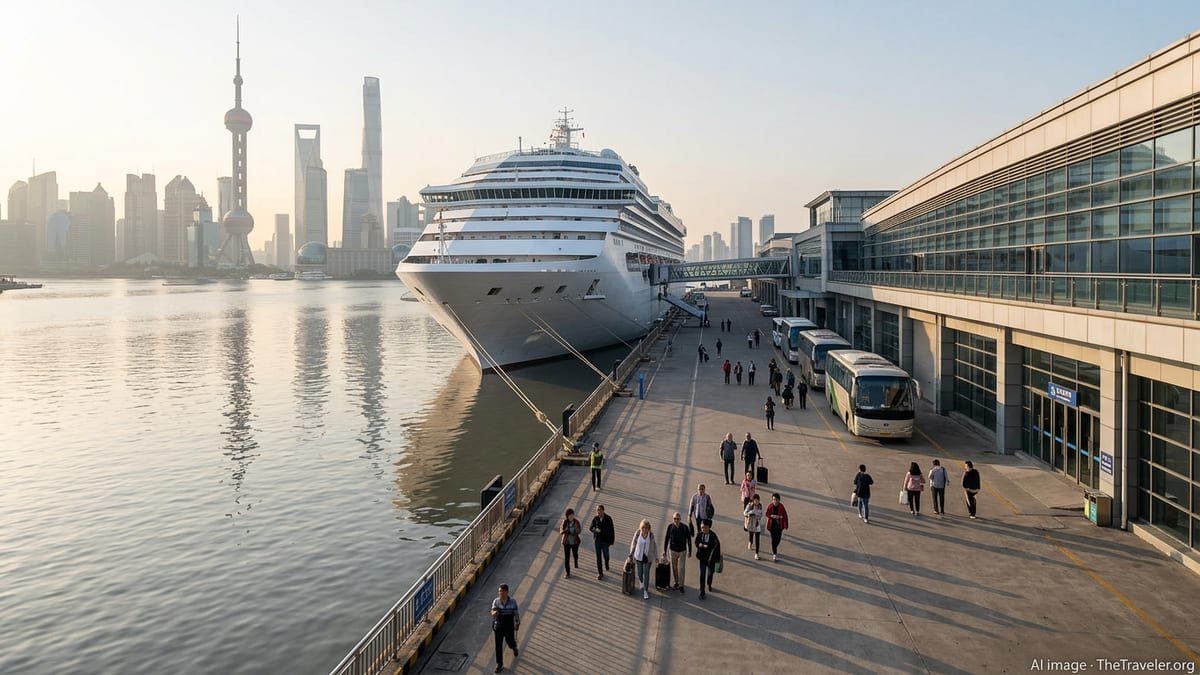










For years, Bali held a near-mythical status in the remote work world. Cheap rent, warm weather, great coffee, and a community of like-minded people building businesses from laptops – it seemed too good to be true. For many who stayed long enough, it turned out that it was.
Bali’s charm is fading for many long-term remote workers, who cite pollution, infrastructure strain, and rising costs as the tipping points. What once felt like the ideal remote-work lifestyle – surf breaks, rice-terraced backdrops, coworking over coconuts – has started to wear thin. The shift is gradual, quiet, and in many ways deeply telling about what the digital nomad movement has become in 2025 and 2026.
The Price Tag No Longer Makes Sense

Bali’s original appeal was built largely on affordability. That foundation has cracked. In 2025, housing prices have doubled in key nomad hubs like Canggu, Ubud, and Seminyak, driven by increased demand from influencers, developers, and global expats.
Canggu room prices jumped from IDR 3-6M in 2022 to IDR 8-15M or more in 2025, with nomads now paying “more than Europe” for their daily lifestyle. That kind of cost inflation hits hard when the draw was always the ability to stretch a mid-range income into a comfortable life.
Locals and expats alike point to inflation in imported goods, “nomad-targeted” cafes, and visa uncertainties as driving up weekly living costs. The bargain has become a premium, and many remote workers are doing the math and moving on.
Traffic That Swallows Entire Mornings
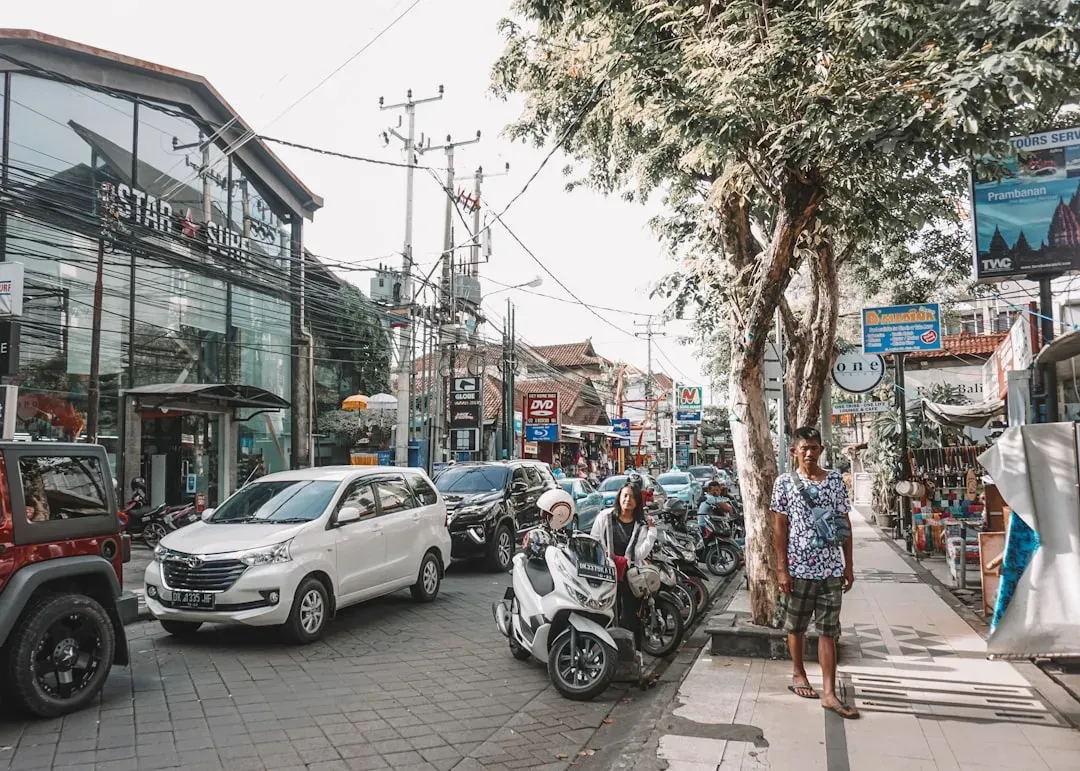
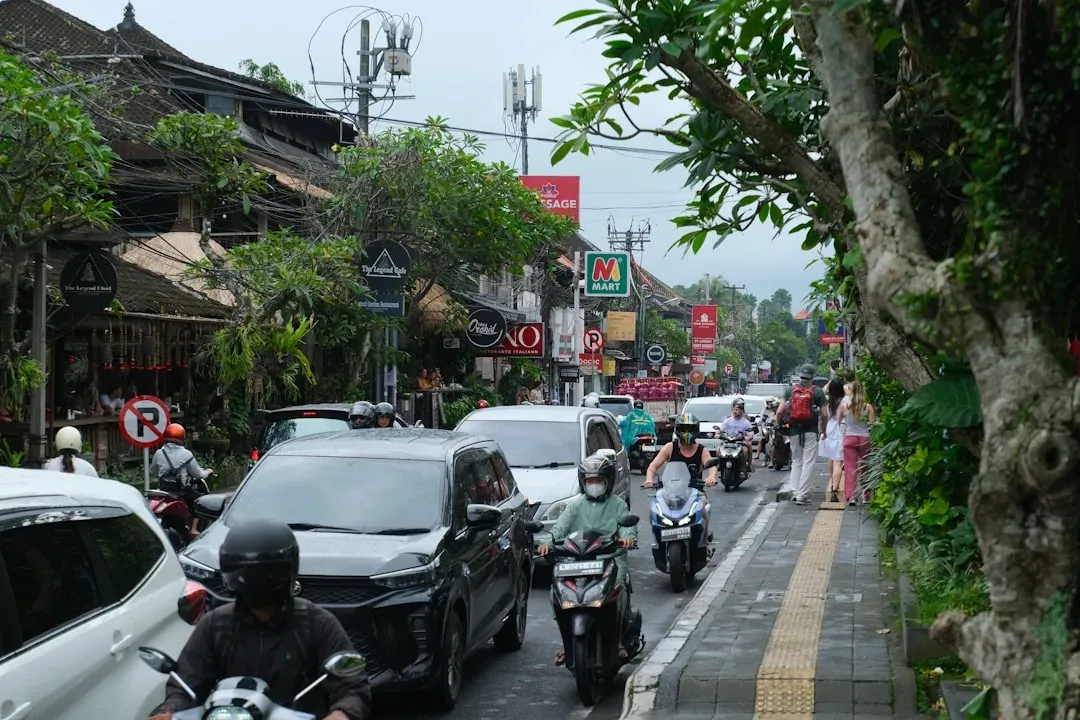
The 18-kilometer journey from Canggu to Ngurah Rai Airport – which should take about 25 minutes – now requires two to three hours during peak times. Even getting to the beach can feel like navigating Bangkok traffic, destroying the laid-back island vibe that attracted nomads in the first place.
Canggu was pretty much gridlocked when visited in 2025. To be fair, a lot of the tourist parts of Bali are gridlocked today. Nowhere was as bad as Canggu. For people who moved to Bali to reclaim their time, losing hours per day to gridlock is a bitter irony.
Bali’s infrastructure was never built for millions of transient visitors. Heavy monsoon rainfall and poor drainage can paralyze key roads. For scooter and car drivers, daily commutes often become a grind. Residents speak of a “breaking point” after a few years of this stress.
Overtourism Has Reached a Crisis Point
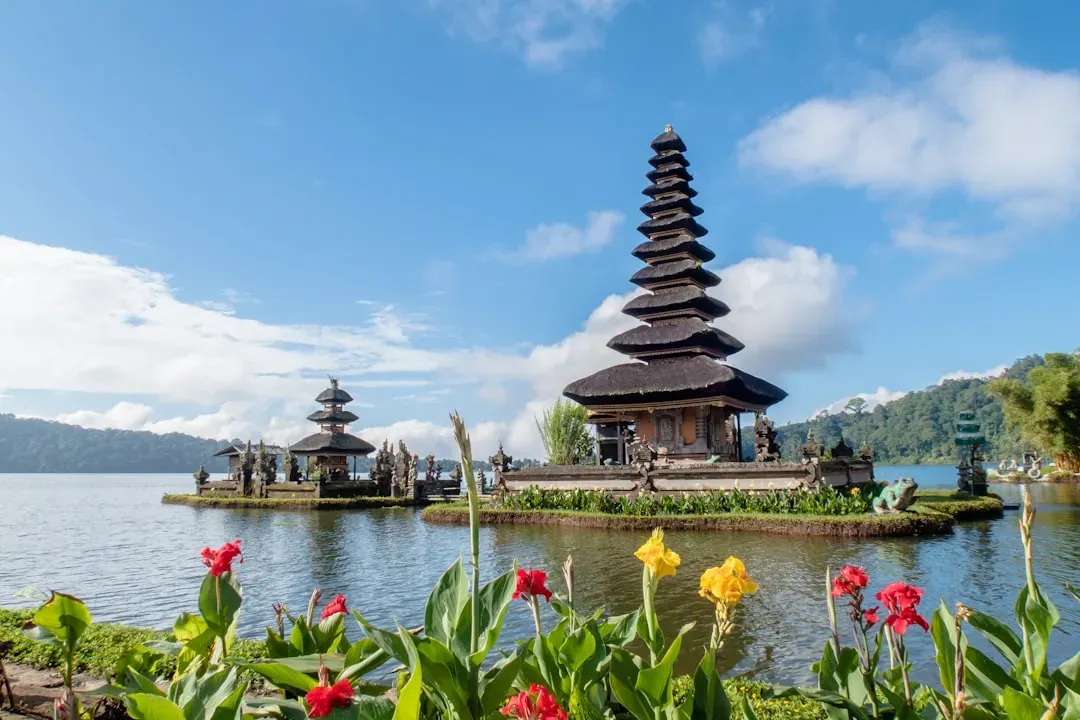
Bali received 6.333 million foreign visitors in 2024, up more than twenty percent year on year. That growth sounds impressive until you see what it looks like on the ground. From the moment you arrive in Denpasar, the issues are obvious: lengthy traffic delays, beaches marred by plastic, rice terraces suffering under the feet of Instagram seekers, and at revered temples, selfie sticks outnumbering actual offerings.
Fodor’s 2025 “No List” cited roughly 5.3 million visitors leaving 303,000 tons of plastic waste, with south Bali infrastructure strained beyond capacity. Being placed on a travel publication’s “no-go” list is not a small thing for a destination economy.
From July 2023 to May 2024, over 33,000 new Airbnb listings were added in Bali – a nearly twenty-five percent increase in less than a year. These are not hotels absorbing the pressure. They are private rentals consuming farmland and reshaping communities that existed long before the first coworking space opened.
Visa Rules Have Become a Legal Minefield
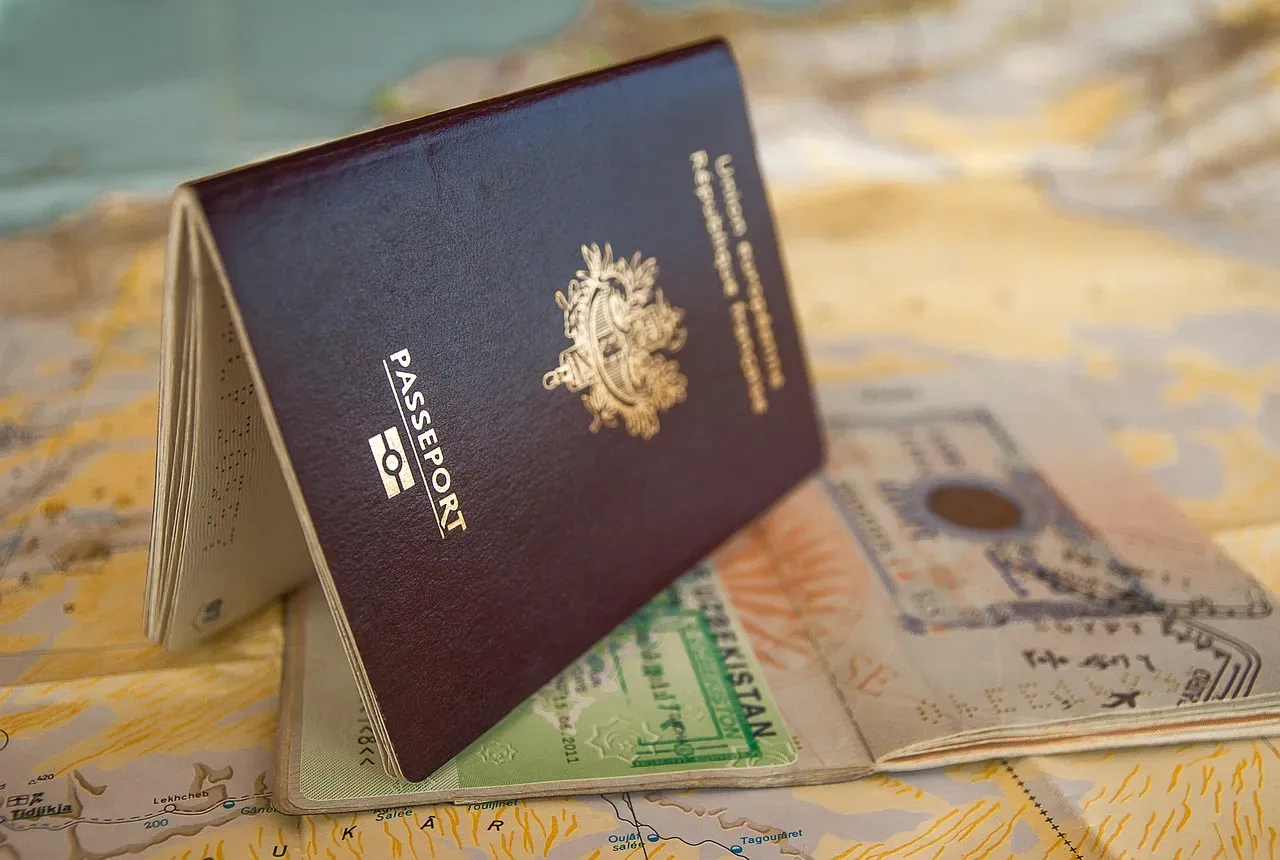
Despite digital nomad visas being announced regularly, the current visa options for remote workers are expensive and limited, making legally working in Bali very difficult. On top of that, the local government has been cracking down on misbehaving foreigners, even implementing a hotline that can be used to report people.
Even volunteering or looking for a tenant for your room after you leave is seen as working in Bali, leading to dozens of deportations and bans of foreigners every month. Most digital nomads are getting fed up with paying for expensive work permits or worrying about accidentally breaking the rules.
Authorities in Bali have increased scrutiny of foreigners suspected of misusing tourist visas for work-related activities, particularly those involving remote employment, sponsored online content, freelance services, and commercial collaborations. The enforcement campaign has been carried out under the Dharma Dewata Immigration Patrol Task Force. For remote workers who just want legal clarity, the grey zones are exhausting to navigate.
The Internet Is Patchy Outside the Hotspots
As of 2025, average fixed broadband speeds in Bali range between 25 and 50 Mbps, while mobile internet via 4G and emerging 5G offers 15 to 40 Mbps depending on your provider. Those numbers look fine on paper, but the story changes depending on where you are.
Canggu, Seminyak, and Ubud generally deliver the best connectivity, thanks to high expat demand and strong coworking culture. Meanwhile, areas like Uluwatu and Sidemen may struggle with consistent broadband access, particularly in rural villas where infrastructure is still developing.
Electricity supply is relatively stable in major urban areas like Denpasar, Kuta, and Sanur. However, power outages still occur – especially in areas with rapid development like Canggu or Uluwatu, where demand often outpaces infrastructure upgrades. These blackouts can disrupt daily operations for digital nomads or hospitality businesses. Missing a client call because the power cut out is not a quirky story after a while. It is a reason to leave.
The Culture Has Curdled Into Performance

The very popularity that made Bali attractive has become a downside. Many digital nomads now report burnout from the party-heavy, influencer-driven culture that dominates places like Canggu. What used to be a place for productivity and quiet inspiration has become more about social appearances, brand deals, and noise.
If you want fancy gyms, tattoo studios, Western food and coffee shops, Canggu has all of that. The facilities are there to serve this clientele. But there is not much in Canggu that feels like Bali anymore. That observation, from a visitor with over a decade of Bali experience, says something real about the transformation.
Within some expat circles, every conversation can feel like a pitch, and every friend group revolves around who has the latest brand collaboration or biggest launch. For nomads who moved to Bali for freedom, that kind of social pressure offers very little of it.
Local Frustration Is Real and Growing

The arrival of digital nomads has driven up rental costs in central areas. This phenomenon has pushed many Balinese to leave their villages to make way for luxury villas or coworking spaces. That displacement carries a social cost that rarely shows up in nomad lifestyle vlogs.
More and more Balinese locals have become fed up with the rising after-work party scene on the island, particularly in Canggu. In fact, around 8,000 people signed a petition expressing frustration with constant noise, drug consumption, and public drunkenness.
The general consensus among local analysts, hoteliers, and even some government insiders is that Bali is not necessarily suffering from an overabundance of tourists in absolute terms, but rather from a distinct lack of proper management. The tension between communities and visitors is shaping policy fast, and nomads are increasingly caught in the middle.
The Broader Economic Shifts Thinned the Community

Mass layoffs, AI industry shifts, and a cooldown from various geopolitical situations reduced expat and nomad numbers by roughly twenty-five percent in 2024 and 2025. The pandemic-era wave of newly remote workers who flooded Bali’s cafes and coworking spaces has visibly receded.
According to MBO Partners’ 2024 State of Independence report, 18.1 million Americans now identify as digital nomads, representing about eleven percent of the U.S. workforce. The global pool of nomads is larger than ever, but they are spreading across far more destinations than before.
While some digital nomads spend their entire lives hopping from place to place, the average duration for most is around three or four years. Now that things have normalized post-pandemic, the initial excitement of living in paradise has started to fade. Five years later, many who arrived during Bali’s boom are in search of something more stable: more reliable infrastructure, less transience, and a more practical place.
Overdevelopment Is Erasing What Made It Special
In 2024, the Indonesian government imposed a moratorium on new hotels and villas in parts of Bali to stem overdevelopment. It was an acknowledgment that the construction boom had reached an unsustainable scale, though critics noted it came very late.
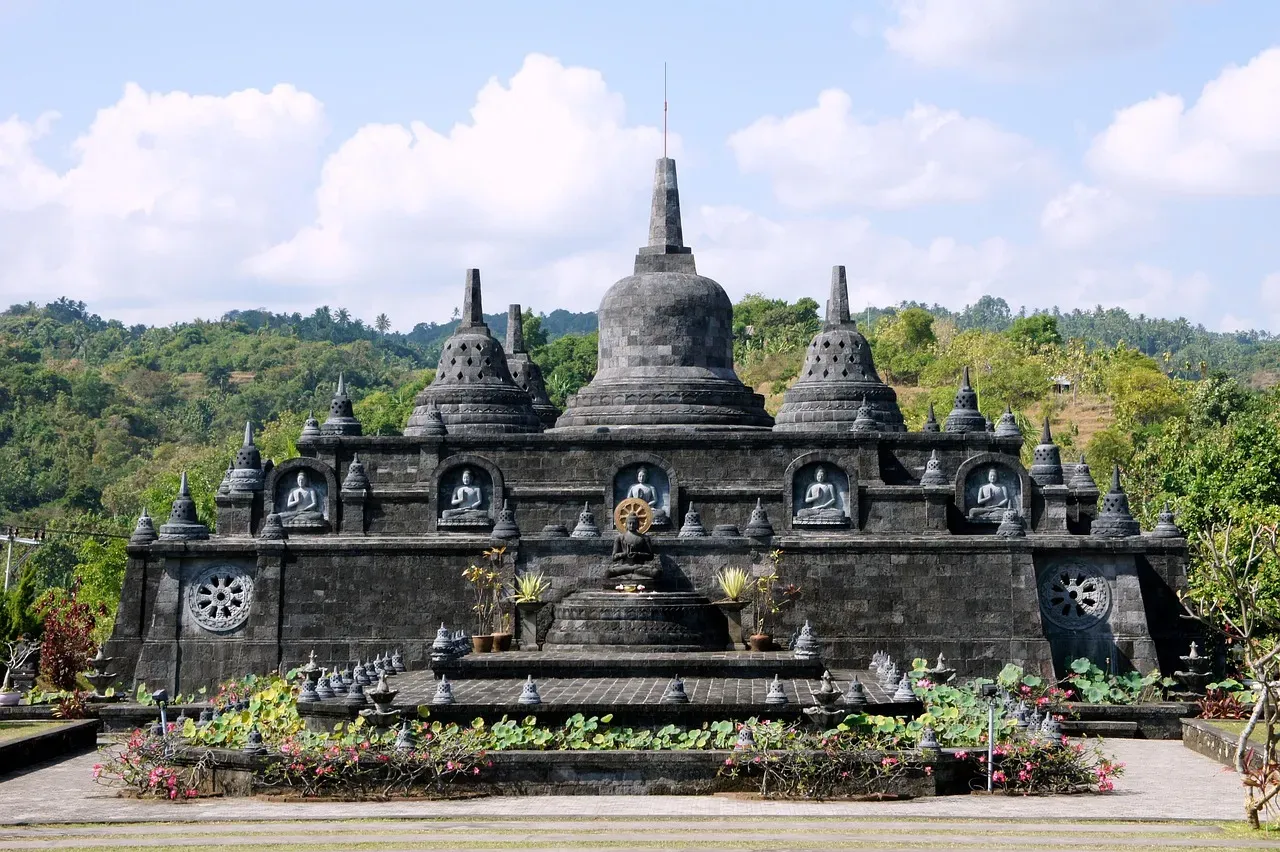
Sacred sites such as Tanah Lot and Besakih Temple have since instated strict visitor limits and timed entry – actions that come rather late for Balinese residents who might feel their own island has become unrecognizable.
Many natural areas considered sacred are now used as photo backdrops or private party venues, often without the consent of local communities. Religious ceremonies, once reserved for the community, are now transformed into shows for tourists. When the spiritual texture of a place disappears, so does the reason many people came in the first place.
Where Nomads Are Going Instead

Driven by a search for stability, lower costs, and legal clarity, many digital nomads are abandoning Bali. They are heading to Da Nang in Vietnam for coastal life and lower rents, Taipei after Taiwan launched a six-month digital nomad visa in 2025, Siargao in the Philippines for surf and Wi-Fi, and Tbilisi in Georgia for low cost of living and easy visa access.
Vietnam is roughly thirty-five percent cheaper than Bali for digital nomads in 2025. Da Nang costs around $900 per month compared to Canggu’s $1,400 – a saving of $500 per month, or $6,000 per year. For someone running a lean remote operation, that difference is hard to ignore.
Over fifty countries now offer dedicated digital nomad visas, up from just twelve before the pandemic, according to Remote.co’s Digital Nomad Visa Database. Bali no longer has a monopoly on the tropical-remote-work combination, and nomads know it.
Is Bali Finished as a Nomad Hub?

Bali’s early promise as a remote-work utopia is colliding with reality – rising costs, environmental strain, and policy backlash. While it still holds appeal as a short-term base, many digital nomads are moving on in search of more sustainable, stable, and legally secure homes.
The real issue is not the number of tourists, but the lack of effective management. Experts agree that Bali is not necessarily suffering from an overabundance of visitors but from the island’s inability to manage this influx effectively. While other destinations have succeeded in limiting tourism numbers, Bali’s government and tourism authorities have continued to aggressively promote the island without fully considering its capacity.
Bali is not dead. It remains genuinely beautiful, and corners of it still hold what made it famous. The question is whether those corners will survive the weight of their own reputation. For a growing number of nomads, that question is no longer worth waiting around to answer.
<p>The post The “Bali Boredom”: Why Digital Nomads Are Quietly Fleeing the Island first appeared on Travelbinger.</p>