








Nomad Citizen: A New Social Safety Net for Entrepreneurs – Image for illustrative purposes only (Image credits: Unsplash)
Location-independent workers often discover too late that standard travel policies and employer-style benefits leave critical holes in protection. Health needs, income loss, and long-term security rarely align with the fragmented coverage most digital nomads assemble on their own. The result is a persistent exposure that grows more noticeable as remote work expands across borders.
Why Traditional Coverage Falls Short
Many travelers rely on a mix of health plans, short-term travel insurance, and occasional evacuation add-ons. These pieces rarely connect, and none replicate the income safeguards or family supports tied to traditional employment. Location-independent entrepreneurs move frequently, which further limits access to national social systems designed for residents.
Medical events can quickly exhaust policy limits, while an inability to work for weeks or months creates separate financial strain. Stories of nomads turning to crowdfunding after injuries highlight how quickly gaps become costly. The absence of coordinated protection leaves individuals managing multiple providers and uncertain claim processes.
A New Membership Model Emerges
SafetyWing has introduced Nomad Citizen as an annual plan that combines health coverage, travel protection, income replacement, and additional benefits into one package. The product targets those who spend more than half the year outside their home country and whose work crosses borders regularly. It operates without residency requirements in most places, though Puerto Rico is excluded.
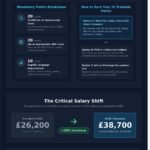
Participants must be under 56 and report at least $4,000 in monthly earnings. Sign-up occurs online with a health declaration and confirmation of travel patterns. Partners and children under 18 can be added, with the first child under 10 included at no extra cost for couples. Coverage begins on a chosen start date after July 1, 2026.
Monthly Costs and Age Tiers
Pricing varies by age bracket. Adults aged 18 to 39 pay $443 per month, while those 40 to 49 pay $665 and ages 50 to 55 pay $875. Children are covered for $143 monthly. Payments can be made monthly or annually, and the plan includes worldwide access with noted limitations on extensive U.S. usage due to domestic healthcare costs.
The structure reflects the higher risk profile of mobile, self-employed individuals. It aims to fill voids that conventional insurers have historically avoided for freelancers without fixed addresses.
Core Protections Included
Health benefits reach up to $1.5 million annually and extend to inpatient and outpatient care, prescriptions, dental, vision, mental health, maternity, and preventive services. This level exceeds typical emergency-only travel policies. Travel elements cover delays, cancellations, lost luggage, electronics theft, and medical evacuation.
Income protection stands out as a distinctive feature. Eligible members can receive up to $4,000 monthly for four to six months if contracts end or illness prevents work. Long-term disability payments continue at the same rate until age 75 in cases of permanent inability to work. Parental leave provides $4,000 monthly after a three-year waiting period.
Additional supports include visa application assistance through an app interface, a member-rated database of global providers, and a prepaid card for direct payments up to $500 on covered services. All claims and support route through a single application with 24/7 live assistance.
Practical Considerations for Users
The plan suits those without access to robust national benefits, such as individuals based in Thailand, Mexico, or Indonesia. It offers less value in countries with strong state systems. Claims for health services allow either reimbursement or direct provider payment, while income verification requires evidence of active job-seeking efforts.
Users should review policy limits carefully, especially for U.S. care. The product represents one targeted response to documented shortfalls rather than a universal solution. As remote lifestyles continue, similar coordinated offerings may appear from other providers.