






Most people hear “$500 rent” and picture a dingy studio with peeling paint and a broken radiator. But what if that same $500 unlocked a furnished apartment a short walk from the beach, in a city buzzing with cafes, coworking spaces, and a community of remote workers just like you? The reality, honestly, is far more astonishing than most people expect.
By 2024, there were an estimated 40 million digital nomads globally. That number keeps rising, and the hunt for genuinely affordable cities has never been more competitive. Some cities surprise you. Others confuse you. A few will make you wonder why you ever paid four times as much for a far smaller apartment back home. So let’s take a proper look.
1. Chiang Mai, Thailand: The OG Nomad Capital That Still Delivers
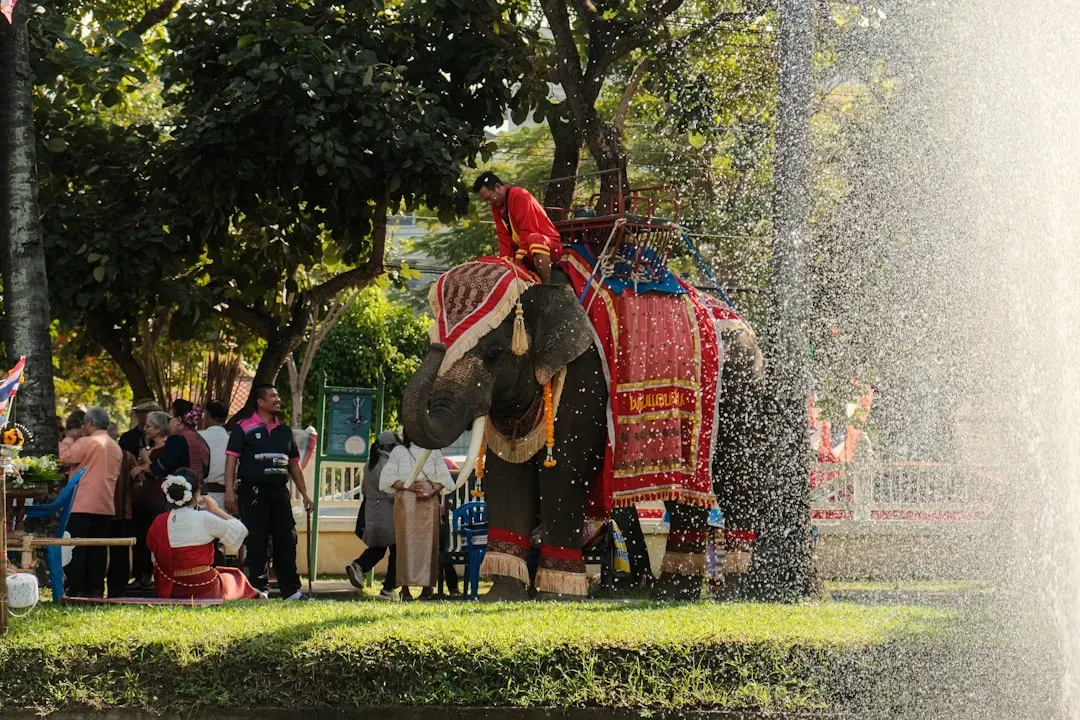
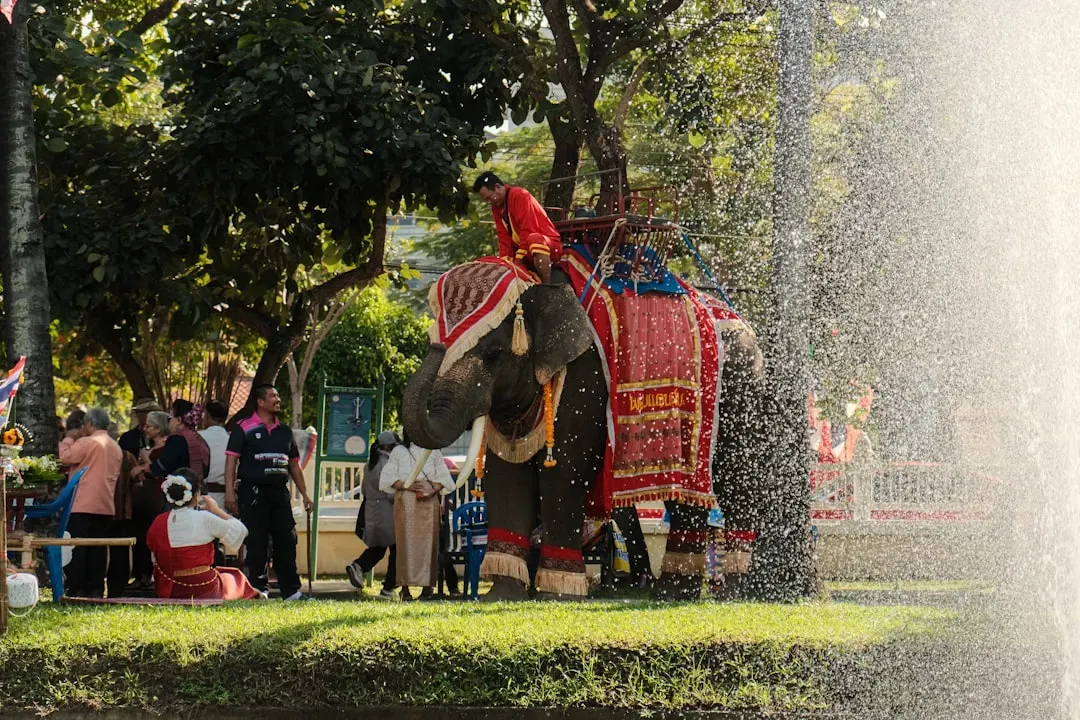
There is a reason Chiang Mai keeps appearing at the top of every digital nomad list. The cultural capital of Northern Thailand has been a favourite base for digital nomads for more than a decade, and in 2025 it remains one of the world’s top remote work hubs, thanks to its low cost of living, strong café and coworking culture, fast internet, and relaxed lifestyle. That reputation is completely earned.
Renting a modern studio or one-bedroom apartment near Nimman or the Old City can cost between $300 and $500 per month. Street food meals start at just $1, while transport via Grab or songthaew is cheap, and renting a scooter costs about $80 per month. Honestly, it is hard to find this level of value anywhere else on the planet for a city this connected and livable.
Unlike some tropical destinations, Chiang Mai has solid internet infrastructure, with most coworking spaces and cafés offering speeds of 100 to 500 Mbps. The only real caveat worth mentioning: air quality takes a serious hit during the burning season from February to April. Plan around that and you have yourself a near-perfect base.
2. Medellín, Colombia: The City of Eternal Spring With a Complicated Price Tag
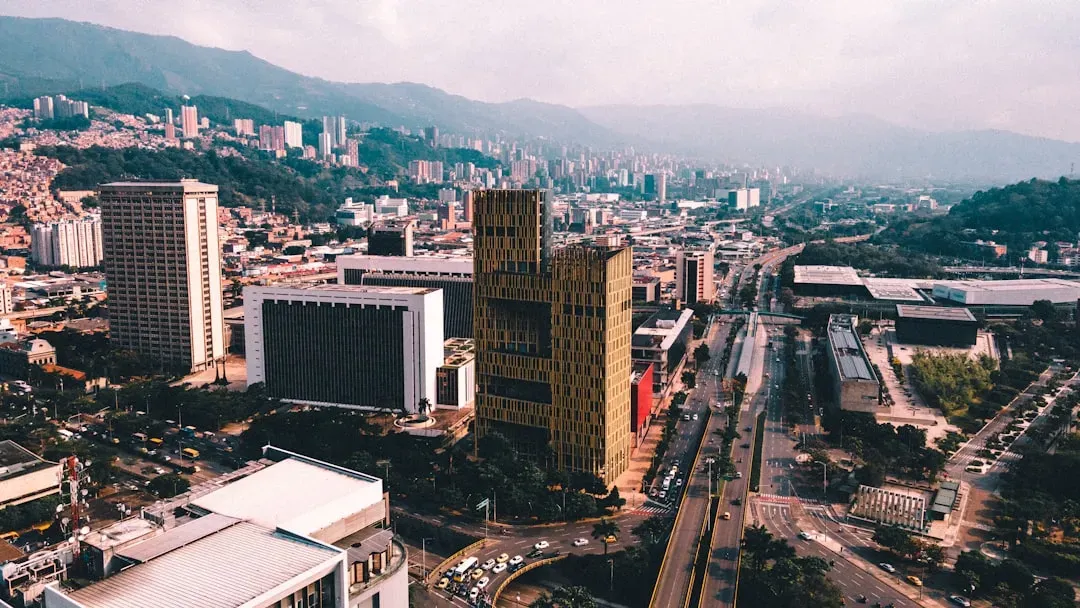
Let’s be real. Medellín’s reputation has transformed dramatically. Once dubbed the murder capital of the world in the early 1990s, it has since become a popular place in Latin America for digital nomads, according to the remote worker website Nomad List, thanks to its leafy suburbs, café culture, and relatively low cost of living. That glow-up is remarkable by any standard.
Here is the thing about $500 rent in Medellín though: it depends enormously on which neighbourhood you pick. For veterans in the know, Laureles provides a less expensive and more local-feeling alternative to the popular El Poblado, with apartments averaging between $400 and $700 a month. For those on tighter budgets, smaller cities like Manizales, Pereira, and Santa Marta offer even lower rents, starting at around $300 monthly for a one-bedroom apartment.
With fiber-optic internet speeds of 100 to 300 Mbps, coworking spaces and cafés cater to remote workers with fast Wi-Fi and great coffee. However, some landlords now prefer to rent to foreigners who are willing to pay more than locals, pushing up prices in some areas by as much as 80%. So if you want the $500 deal, look beyond El Poblado and dig into local listings directly.
3. Tbilisi, Georgia: Europe’s Best-Kept Secret for Budget Nomads
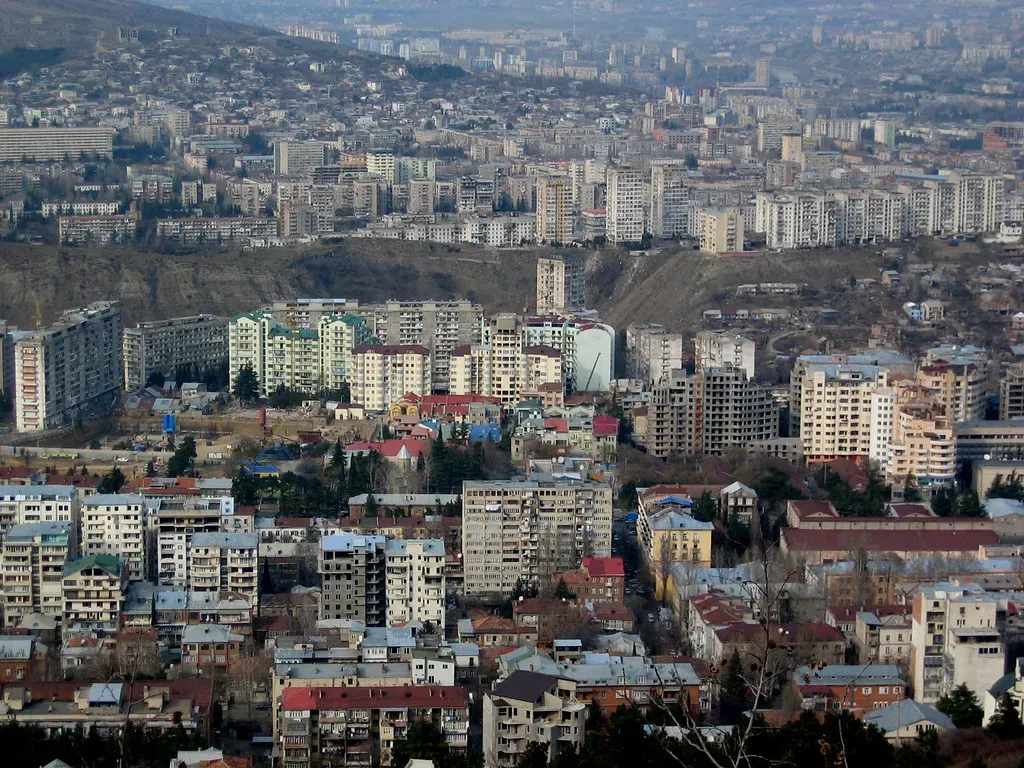
Tbilisi quietly offers one of the best deals in the nomad world. Rent is low, food is cheap, and many nationalities can stay for a full year visa-free. The city has a growing creative and tech scene without feeling overrun. That combination is incredibly rare in 2026.
In Tbilisi, Georgia, you can live comfortably for $800 to $1,500 per month, with apartments available from as low as $300 per month. Tbilisi also offers reliable internet with fiber optic coverage, a median fixed broadband download speed of 44.64 Mbps, and fiber optic connections accounting for 82% of all internet access in the city. For a city of this cultural richness, that infrastructure is impressive.
The real draw of Tbilisi is its unique vibe and culture. With its grungy mix of Eastern European and Central Asian influences, there is nowhere else quite like it, and just outside the city it is easy to take weekend hiking trips to the dramatic Caucasus Mountains. I think this is the city that most digital nomads simply overlook. Their loss, honestly.
4. Da Nang, Vietnam: Beaches, Bowls of Noodles, and Surprisingly Low Rent
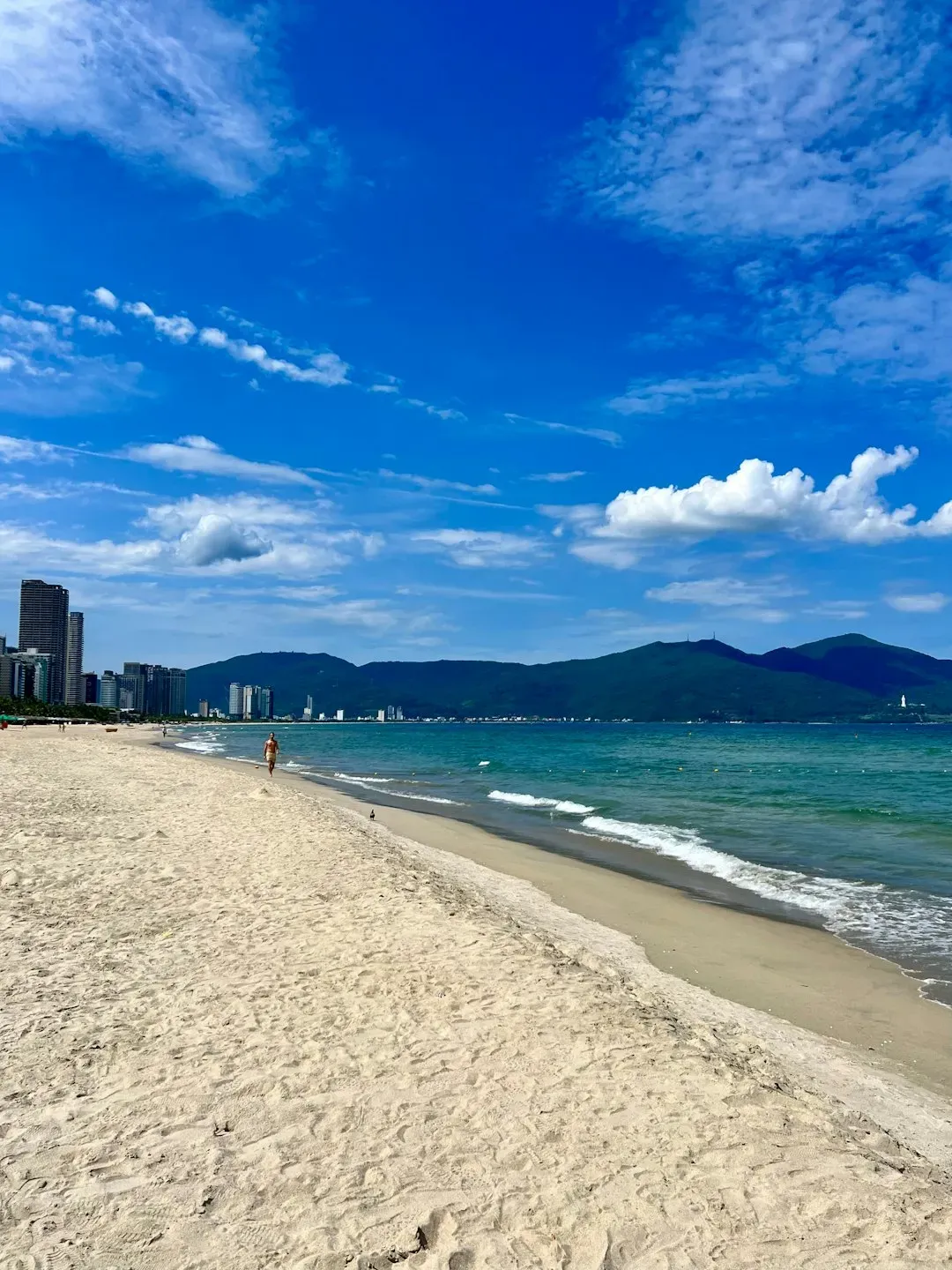
Da Nang is an affordable beach city in Vietnam that appeals to digital nomads on a budget, offering clean air, decent internet, and plenty of cafes with workspaces. It sits in a sweet spot between the frenetic energy of Ho Chi Minh City and the quieter, almost sleepy atmosphere of smaller Vietnamese towns.
The cost of living in Da Nang averages around $800 a month, with rent for a one-bedroom apartment ranging from $300 to $500, and utilities that can cost as low as $70. Da Nang is also about 16.3% cheaper overall than Ho Chi Minh City when including rent. That gap matters when you are stretching a remote income across multiple months.
Da Nang has become a global hotspot for digital nomads and remote workers, consistently ranked among the best cities in Asia for this demographic, thanks to its unbeatable combination of low cost of living, high-speed internet, a vibrant and affordable café culture for working, and an incredible quality of life. Food options range from local meals for $1 to $5 and Western food from $5 to $10 or more per meal. You won’t go hungry on a budget, that much is certain.
5. Budapest, Hungary: European Charm Without the European Price Shock
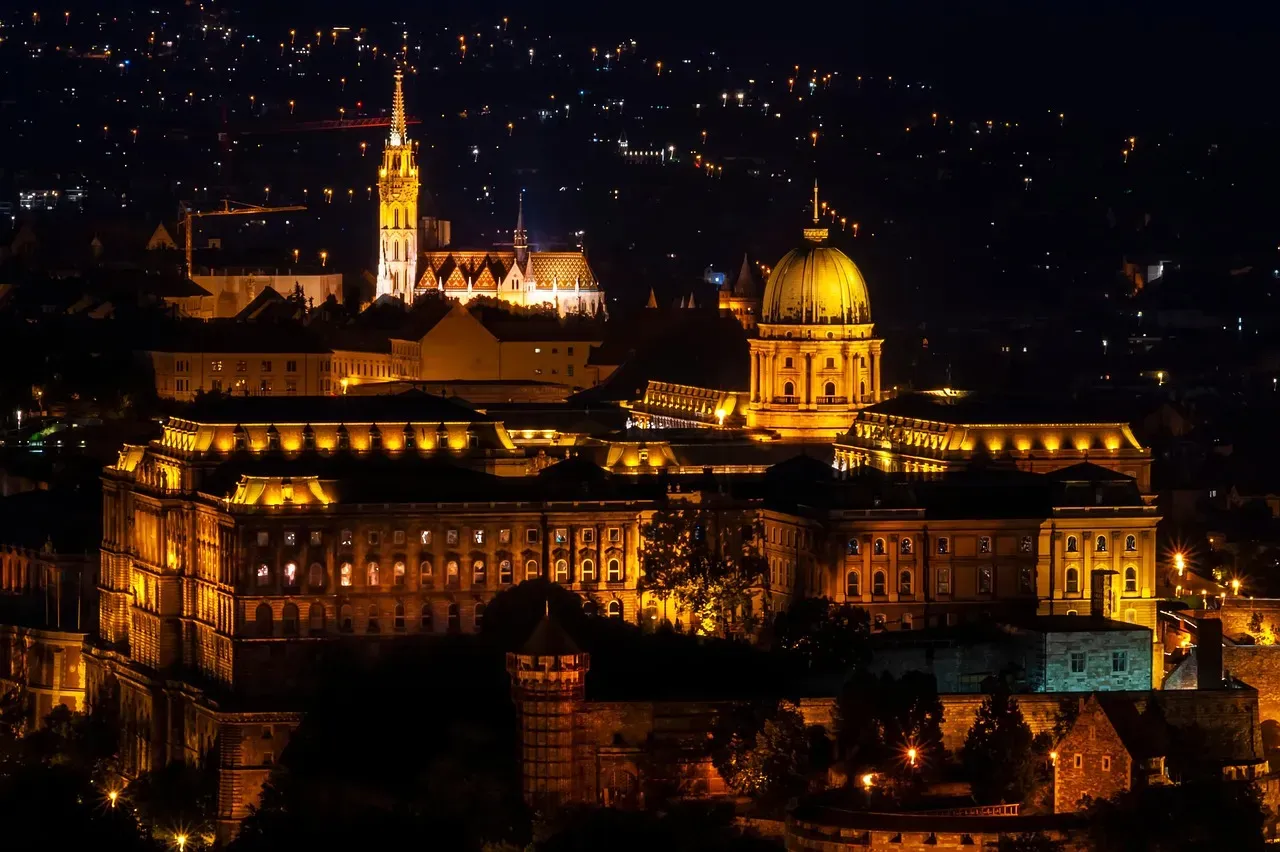
Most people assume that any European capital city is automatically out of reach on a nomad budget. Budapest quietly dismantles that assumption. The Hungarian capital is both inspiring and inexpensive for budding digital nomads, from its neo-Gothic architecture and 19th-century cast-iron Széchenyi Chain Bridge to its bohemian districts and array of art hubs.
A one-bedroom apartment in Budapest’s city center costs around $500 a month, with basic groceries priced at around $210 and utilities around $170. Overall monthly expenses for digital nomads in Budapest average around $1,178, with city-center studios costing around $478. For a capital city with this level of culture, history, and nightlife, that is genuinely remarkable.
Budapest has beautiful architecture, efficient public transport, and rents that are still reasonable, as long as you avoid the trendiest neighborhoods. Think of it like a slightly cheaper Prague, but with better thermal baths and arguably superior café culture. The city rewards those who look beyond the tourist hotspots.
6. Playa del Carmen, Mexico: Caribbean Coast Meets High-Speed Wi-Fi
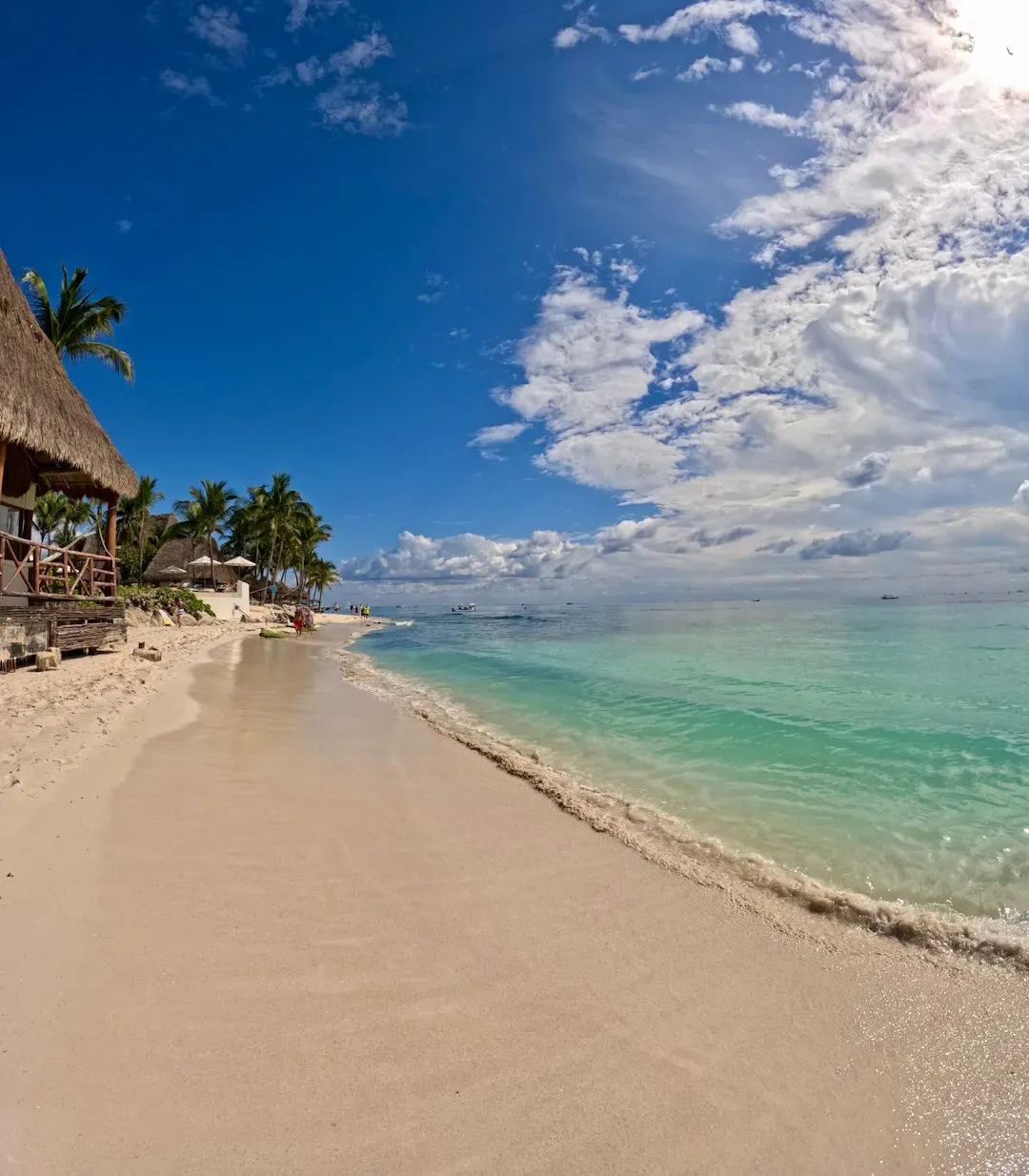
Playa del Carmen is an excellent option for digital nomads who love the water and want an easy way to spend an extended amount of time outside their home country. Few cities in the world offer the combination of turquoise sea views, warm weather year-round, and an increasingly mature remote work infrastructure.
Playa del Carmen’s monthly cost of living is priced at around $900, with basic utilities like electricity, water, and gas costing about $150 overall. It is a prime working spot too, with coworking spaces like Nest Coworking and Fiso Club Empresarial highly rated for their affordability, efficiency, and excellent office views. Finding a place near $500 is very possible if you rent locally rather than through short-term platforms.
Cities like Mexico City, Guadalajara, and Playa del Carmen have developed robust infrastructure specifically catering to remote workers, providing modern coworking spaces, reliable telecommunications, and vibrant international communities. The country also allows a 180-day stay without a visa for many nationalities, and longer stays can be arranged through a temporary resident visa that extends up to four years. The flexibility is hard to beat.
7. Medellín’s Quieter Sibling: Manizales, Colombia, and the Case for Going Off the Beaten Path
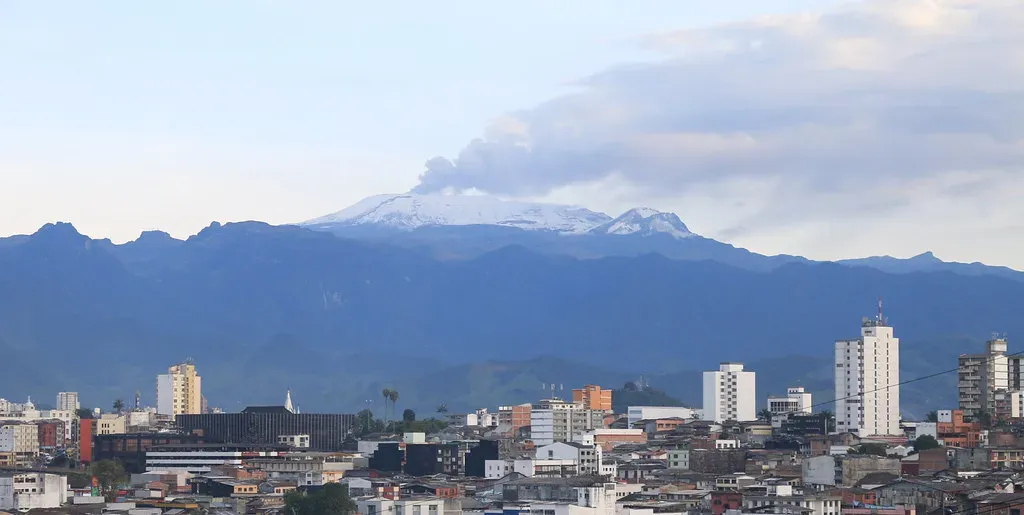
Here is a city that rarely makes the headlines but probably should. Manizales sits in Colombia’s coffee region, surrounded by mountains and plantations. The low cost of living allows for a comfortable lifestyle, with rents starting at around $300 monthly for a one-bedroom apartment, access to good food and entertainment, and the city is also known for being safer than other Colombian cities.
Manizales offers a variety of coworking spaces and cafes with reliable internet, making it a great option for digital nomads. The city is surrounded by beautiful natural landscapes, including coffee plantations and the Nevado del Ruiz volcano, and the climate is pleasant year-round, often called an eternal spring. The scenery alone is worth considering it.
I know it sounds crazy to skip the more famous cities in Colombia for somewhere like Manizales, but that is precisely the point. Living in Colombia is more affordable than in many other countries, and for digital nomads earning in stronger currencies like the US dollar or Euro, the lower cost of living becomes even more appealing. Colombia is considered one of the cheapest places to live in 2024 among nations with a high quality of life. In a lesser-known city like Manizales, your $500 rent goes even further, and you get a slice of authentic Colombian life that the nomad crowds haven’t found yet. What more could you want?
<p>The post What $500 Rent Actually Looks Like: 7 Stunning Global Cities for Digital Nomads first appeared on Travelbinger.</p>