








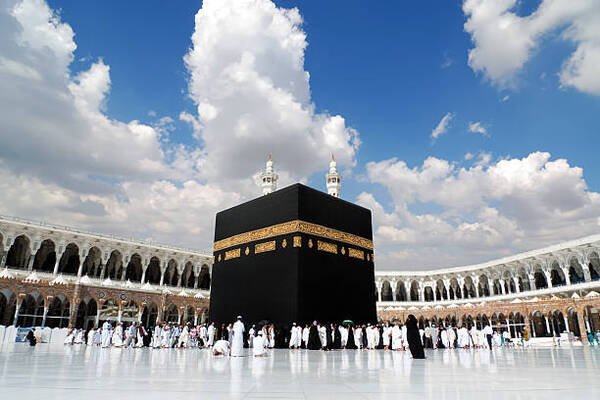
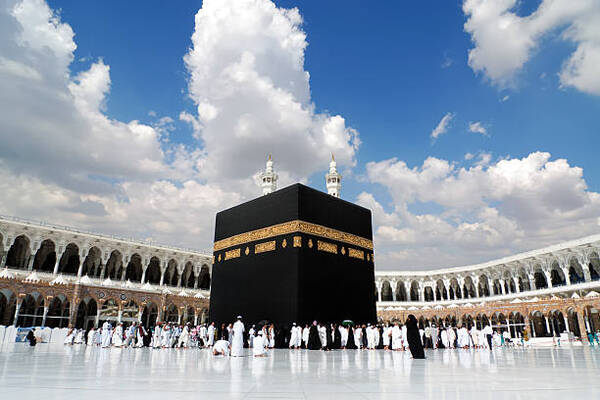
Saudi Arabia has made ninety-day health insurance mandatory for international Hajj and Umrah pilgrims to strengthen emergency preparedness, protect visitors from unexpected medical costs, and ensure faster access to critical healthcare during one of the world’s largest religious gatherings. The decision reflects growing efforts to manage public health risks associated with massive crowds, extreme weather conditions, and the complex logistics of hosting millions of worshippers each year, while also easing financial pressure on pilgrims and their families in case of sudden illness or accidents.
Saudi Arabia has introduced a compulsory 90-day health insurance requirement for international visitors traveling to perform Hajj and Umrah, marking a significant shift in how medical coverage is managed for pilgrims. The new rule ties insurance directly to the issuance of pilgrimage visas, ensuring that every eligible traveler entering the Kingdom for religious purposes has access to emergency healthcare throughout their stay.
Under the updated system, pilgrims arriving on Hajj or Umrah visas are automatically enrolled in a health insurance plan that remains valid for up to 90 days from the date of entry. This period is designed to cover the entire duration of most pilgrimage visits, including any additional time spent in the country for travel or religious observance. By integrating insurance into the visa process, authorities have effectively made medical protection a standard part of the pilgrimage journey rather than an optional add-on.
The primary focus of the policy is emergency medical care. Coverage includes urgent treatment, hospital admissions, and care required due to accidents or sudden illness. In situations where immediate medical attention is necessary, pilgrims will be able to access healthcare services without facing the full financial burden upfront. This approach is intended to prevent delays in treatment that might otherwise occur if visitors were required to arrange payment independently during a medical crisis.
However, the insurance plan is not designed to function as comprehensive private health coverage. Routine consultations, elective procedures, and non-urgent medical services are generally outside the scope of the scheme. The emphasis remains firmly on addressing unexpected health issues that arise during the pilgrimage period. By narrowing the coverage to essential and emergency services, the program aims to prioritize critical care while maintaining administrative efficiency.
The introduction of this mandatory policy reflects the broader logistical and public health challenges associated with hosting millions of pilgrims each year. Hajj, in particular, draws vast crowds from across the globe within a concentrated timeframe, creating unique pressures on healthcare systems. Umrah, while performed year-round, also contributes to a steady flow of international visitors. Ensuring that all pilgrims have guaranteed access to emergency medical services helps authorities manage risks associated with large gatherings, including heat-related illnesses, respiratory conditions, and accidental injuries.
From a financial perspective, the measure offers reassurance to both travelers and their families. Medical treatment abroad can be costly, especially in emergency situations requiring hospitalization or specialized care. By embedding insurance into the visa framework, the system reduces uncertainty about potential expenses. Pilgrims can undertake their spiritual journey with greater peace of mind, knowing that unforeseen medical events will be handled within a structured support system.
The policy also supports healthcare providers within the Kingdom. With insurance coverage standardized for international pilgrims, hospitals and clinics can process emergency cases more smoothly. Administrative clarity regarding payment mechanisms may help reduce bottlenecks and improve coordination during peak pilgrimage seasons. This streamlined approach contributes to more efficient service delivery when demand is at its highest.
In addition to financial protection, the requirement underscores a preventive and preparedness-oriented mindset. Large-scale religious gatherings present complex operational challenges, from crowd management to disease prevention. By mandating health insurance, authorities reinforce the importance of organized healthcare planning as part of pilgrimage management. The move aligns with ongoing efforts to enhance safety protocols, strengthen medical infrastructure, and integrate technology into visitor services.
For international travelers, the change introduces an additional procedural element tied to visa issuance, but it simplifies decision-making around insurance. Rather than navigating multiple private insurance options, pilgrims receive standardized coverage automatically. This reduces confusion and ensures uniform protection levels among visitors arriving for religious purposes.
The 90-day duration of coverage is particularly significant because it accommodates variations in travel schedules. Some pilgrims may arrive early to prepare spiritually, while others might extend their stay for personal travel or additional worship. The extended validity window provides flexibility while maintaining continuous emergency protection throughout the visit.
Overall, the implementation of mandatory health insurance for Hajj and Umrah pilgrims represents a structured effort to balance spiritual hospitality with modern healthcare safeguards. By linking insurance directly to pilgrimage visas, authorities have created a system that prioritizes emergency readiness, minimizes financial risk, and enhances public health resilience during one of the world’s largest recurring religious gatherings. The measure signals a continued focus on safety, organization, and comprehensive support for international visitors undertaking their sacred journey.
The post Saudi Arabia Announces Major Breakthrough for Pilgrims by Enforcing Comprehensive Ninety-Day Health Insurance Coverage Linked Directly to Hajj and Umrah Visas appeared first on Travel And Tour World.