









Having Italian citizenship comes with a huge range of benefits. Not least is the right to live and work in Italy. Italy is known for its incredible history, culture and iconic food. Having Italian citizenship will allow you to immerse yourself in one of the most culturally rich countries in the world!
Italy’s nationality law applies some principles of Jus Sanguinis (the right of blood) and some of Jus Soli (the right of soil). We explain exactly what this means, detail the 4 ways you can get an Italian citizenship, and more suggestions below.
Table of Contents
- How to get Italian citizenship
- The benefits of Italian citizenship
- How to show ties to the Italian National Community
- A2 Italian Language Proficiency level
- Next steps for your Italian citizenship
How to get Italian Citizenship
Here are the 4 ways to get Italian Citizenship:
- Birth or birthright citizenship.
- Descent from your parents or grandparents.
- Marriage or de facto partnership.
- Naturalization by living in Italy.
1) Citizenship by birth in Italy
For those born in Italy
You can apply to become an Italian citizen if you meet these requirements.
- Your mother or father is an Italian national.
- Your parents are unknown or stateless.
- Your parents are not Italian however you have lived your whole life until adulthood in Italy.
- You do not possess another nationality.
2) Italian Citizenship through Parents and Grandparents
If one or both of your parents are Italian citizens, you are eligible to become an Italian citizen. However, if your parents did not register your birth with the Italian authorities, you will need to complete at least one of these requirements before you can apply for citizenship:
- Live in Italy for at least 3 years.
- Be an employee of the Italian government for 5 years.
- Join the Italian armed forces and serve for 5 years.
If one or both of your grandparents are citizens of Italy, then you are also eligible to become a citizen of Italy by origin, however you must be able to prove the direct familial link and unbroken ties to Italy.
For those adopted by an Italian citizen
Any child under 18 who an Italian citizen adopts is immediately eligible for Italian citizenship.
3) Italian Citizenship through Marriage / Partnership
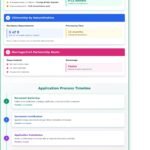
If you get married or enter into a de facto partnership with an Italian citizen you can be eligible for Italian Citizenship if you:
- 1 year if you live in Italy and have children together
- 2 years if you live in Italy and have no children together
- 1.5 years if you live abroad and have children together
- 3 years if you live abroad and have no children together
You must also be able to show adequate knowledge of the Italian language (to a B1 level) in order to qualify for citizenship through Marriage or partnership.
4) Italian Citizenship by Naturalization
You can qualify for an Italian citizenship if you meet these requirements:
- You are a citizen of the European Union and have lived in Italy for 4 years.
- You are a citizen of any other country and have been in Italy for 10 years with at least 5 of those as a permanent resident.
As part of the application, you will need to pass a B1 language skills test.

The Benefits of Italian Citizenship
Italian citizenship is one of the most respected in the world. Italy is seen as a good global citizen and has very few diplomatic or international issues. This reputation means that if you are traveling as an Italian citizen, you’ll receive a worldwide welcome. Italy is also part of the European Union and having citizenship will allow you visa free travel throughout the Schengen Zone.
Italy Allows Dual Nationality
Italy allows dual and multiple citizenships. This allowance is important, as it means you can retain any citizenship and passport you have. It also means if you get another citizenship in the future, you can maintain your Italian nationality and Italian passport.
You will need to understand the dual citizenship policies for those nationalities that you already hold. Some countries insist you give up citizenship when you take on a new nationality.
You can live, study, and work in the European Union
Italy is a founding member of the European Union. As a citizen, you can work, live, and travel freely in any of the 30 European Economic Area countries.
How to show ties to the Italian National Community
You can prove your connection to Italy in many ways. The evidence for your Italian citizenship application will be assessed together, so the more items you cover, the more certain your ties.
Effective links to the Italian community could include:
- Speaking Italian to A2 level.
- Living in Italy.
- Own or rent a property in Italy.
- Italian tax residency, tax identification number, and social security registration.
- Italian bank accounts.
- Regular travel to Italy.
- Active involvement in Italian cultural or social organizations.
- Italian friends and family.
READ ALSO: Living in Italy: Embracing the Lifestyle and Culture
A2 Italian Language Proficiency level
The Common European Framework of Reference for Language (CEFR) is the standard used by the government to assess your ties to the country.
You need to be at the A2 level:
There are many language testing centers and schools that can help you with this requirement.
Next steps for your Italian citizenship
If you found a path to Italian citizenship and a Italy passport, great news! Now, what next? First is to identify the full requirements of your citizenship option.
Next is to start to gather all the documentation you’ll need to present to make your case.
Our partner in Italy, an experienced and qualified Italian immigration lawyer, will make the process simpler. They’ll be best placed to understand the law’s nuance and be on top of any changes. They’ll help you submit an application that will be approved as fast as possible.
READ ALSO: Italy Visa Guide: Essential Tips for Successful Application
The post Italy Citizenship Full Guide >> 4 Pathways to Obtain Italian Citizenship appeared first on Where Can I Live.