








Most people picture a sun-soaked laptop on a Bali beach. The freedom. The flexibility. The Instagram shots. Honestly, when I first started daydreaming about quitting my office job to work from anywhere, that image lived rent-free in my head for months. The reality, as it turns out, is far more layered – and in some ways, far more interesting.
The digital nomad lifestyle has exploded in recent years, and the numbers are genuinely staggering. But beneath the glossy surface, there are things nobody really tells you before you hand in your resignation letter. So let’s get into it.
The Numbers Are Real – This Is Not a Fringe Trend Anymore

Let’s start with something that might surprise you. In the United States alone, the number of people identifying as digital nomads increased from approximately 7.3 million in 2019 to 18.1 million in 2024, a 147% rise since pre-pandemic times. That is not a niche subculture. That is a mass movement hiding in plain sight.
The 2024 State of Independence Report shows that 11% of the U.S. workforce, or 18.1 million workers, now identify as digital nomads. Think about that for a second. Roughly one in every ten workers. The co-worker you never see in the office might be filing their reports from a café in Medellín.
Globally, an estimated 40 million people were living as digital nomads by 2025, roughly doubling from around 20 million just a few years prior. The pandemic ripped off the band-aid. Prior to 2020, only about 17% of U.S. employees worked remotely full-time; however, during the pandemic, that share increased to 44%. Once people tasted real flexibility, there was no going back. I think most of us knew that much.
The Visa Puzzle Is More Complex Than You Think
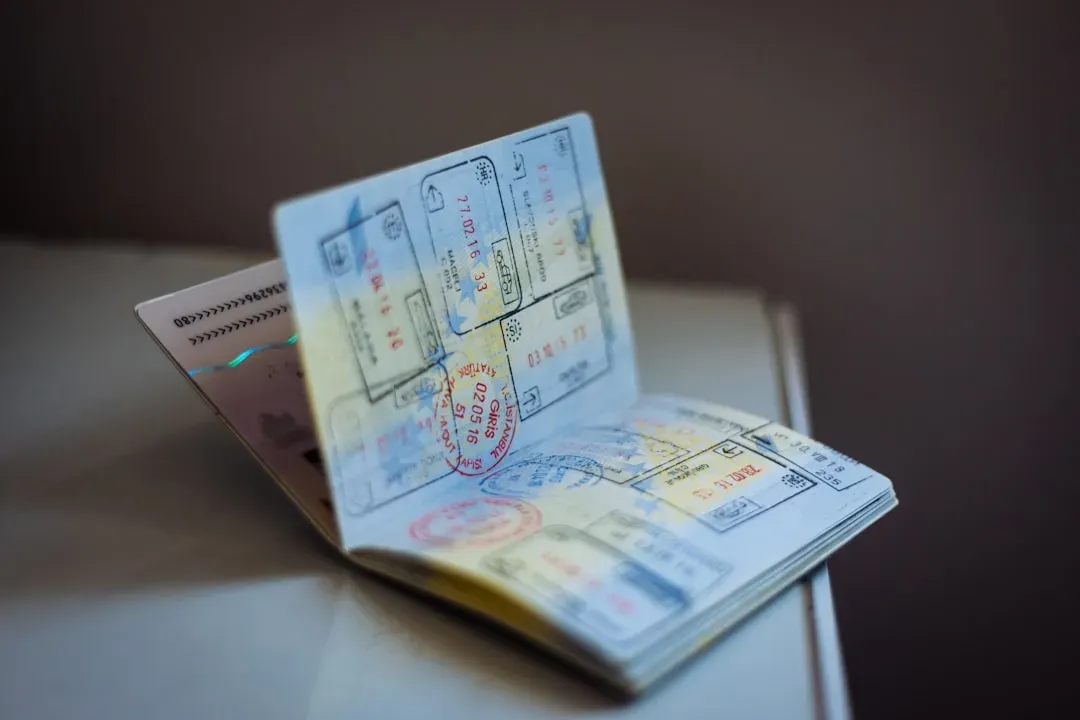
Here is the thing a lot of people gloss over when they romanticize the nomad life: where exactly are you legally allowed to work? Overstaying a tourist visa while filing client invoices is not a gray area – it is a legal risk. The good news is that governments worldwide have started to catch up.
Currently, 66 countries offer digital nomad visa programs, and new countries are joining every day. Countries like Portugal, Estonia, Spain, Italy, and Thailand all have dedicated programs. Italy’s Digital Nomad Visa, launched in April 2024, targets highly skilled professionals employed outside Italy, grants a one-year renewable permit, and requires a minimum annual income of around €30,000.
As of the end of July 2024, more than 40 jurisdictions offer digital nomad or remote worker visas and permits. Of these, 41% are in the Americas, 31% are in Europe, 14% are in the Asia-Pacific region, and another 14% are in Africa and the Middle East. Roughly half of all countries offering some kind of remote work visas allow workers to reside in their territories for up to one year. That is a lot of options. Still, every country has its own income thresholds, document requirements, and fine print, so research matters enormously before you book that one-way flight.
The Loneliness Nobody Warns You About

This is the one I wish someone had sat me down and explained properly. Several recent surveys into the digital nomad lifestyle have shown that loneliness is the number one challenge that most digital nomads face. It can be hard to maintain close relationships with friends and family with different lifestyles, and challenging to create genuine new friendships with time, language, and culture as barriers.
The freedom feels electric at first. New city every month, new café every morning. But freedom without connection gets hollow faster than you expect. Digital nomads often move from one location to another, making it difficult to form and maintain deep, meaningful connections. Unlike traditional office workers, who interact with colleagues daily, digital nomads may spend large amounts of time working alone or communicating only through digital platforms. This lack of consistent face-to-face interaction can contribute to feelings of isolation, especially in unfamiliar environments.
About 63% of digital nomads say they’ve missed key life events like birthdays or weddings. That stat hit me harder than I expected. 19% of digital nomads say missing friends and family is the hardest part emotionally. It is a trade-off the Instagram lifestyle never shows you, and it’s one worth taking seriously before you go.
Your Work Life Does Not Automatically Become Balanced
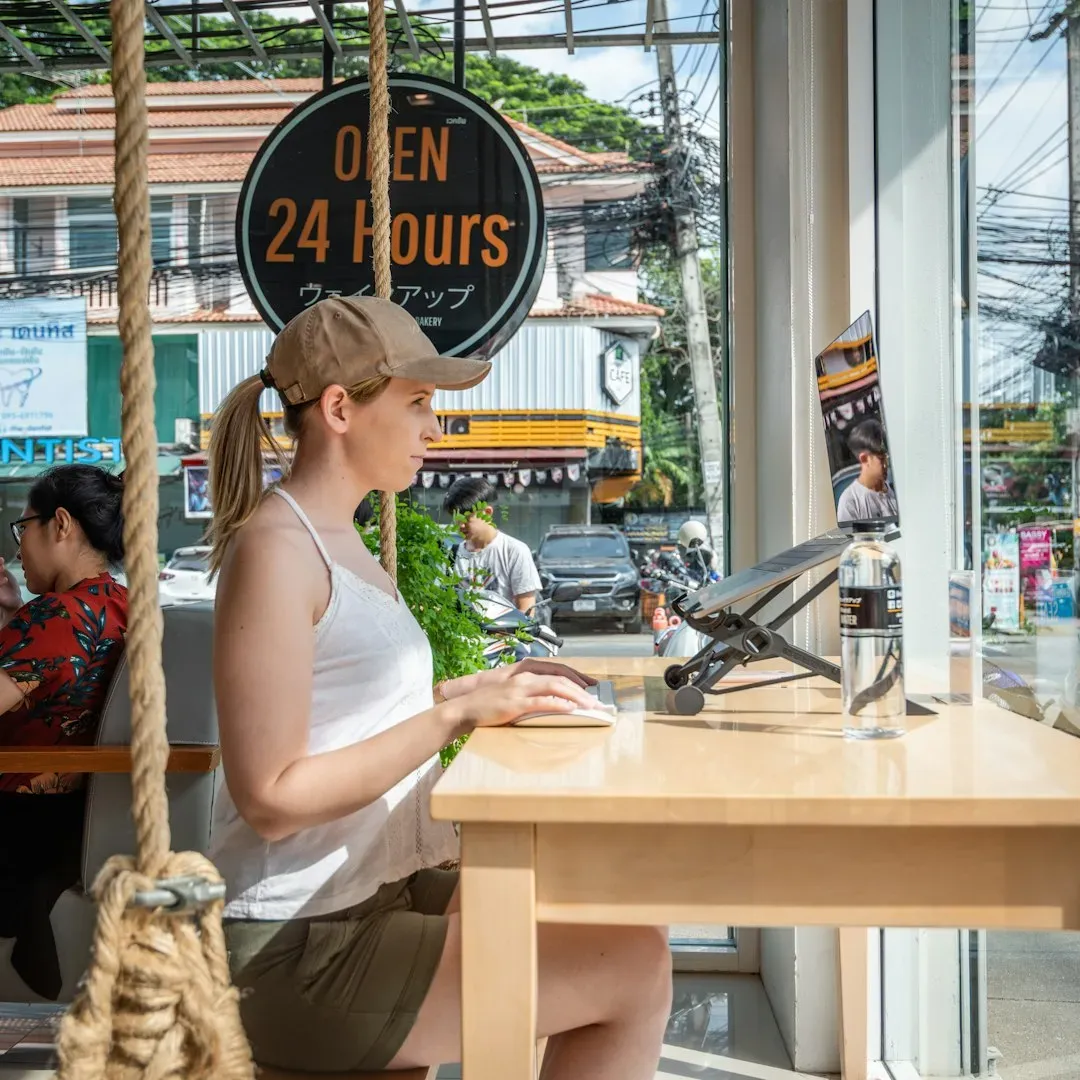
Here is a truth that took me far too long to accept: working remotely from a beautiful location does not mean you will suddenly achieve some zen equilibrium between your job and your life. Achieving work-life balance is the top goal and challenge for digital nomads. Top challenges include work-life balance, language barriers, healthcare, finances, mental health, visas, time zones, stability, and internet access.
Around one in four digital nomads struggle with separating work from personal life. There are no clear boundaries between work and leisure, and many experience overworking due to irregular schedules and time zones. It’s like the office followed you to Portugal. Around three in ten digital nomads have difficulties coordinating across different time zones. Scheduling meetings across multiple time zones is challenging, and delayed responses affect team collaboration and project deadlines.
The nomad lifestyle also has a sneaky financial side. Common surprise costs for digital nomads include medical expenses, taxes, banking fees, and roaming charges, with some nomads paying fines even for cultural mistakes. The budget you mapped out at home rarely survives first contact with reality abroad.
Coworking Spaces and Slowmading Are Reshaping the Game

If you had pictured digital nomads as solo wolves with a laptop and a beach, that image is already outdated. The infrastructure supporting this lifestyle has grown into a serious global industry. The coworking sector alone was valued at nearly $15 billion in 2024, with forecasts placing it between $40 and $46 billion by the end of the decade. That is not a side hustle. That is a structural shift in how the world works.
By 2024, there were close to 42,000 coworking spaces worldwide. Parallel dynamics are visible in co-living, a market sized at roughly $8 billion in 2024 and expected to double by 2030. These spaces do more than provide fast Wi-Fi. They solve the loneliness problem. They create community. They are, quite honestly, one of the best-kept secrets of sustainable nomad life.
There is also a fascinating behavioral shift happening in how nomads actually travel. Digital nomads are visiting fewer locations but spending more time at each stop, a trend known as “slomading.” This approach provides a more active social life, reduces travel stress, and improves work productivity and relational diversity. In 2025, the average digital nomad visited 6.2 locations, compared to 6.6 in 2024 and 7.2 in 2023. The amount of time spent at each location has also increased, with digital nomads averaging 6.4 weeks per stop in 2025, up from 5.7 weeks in 2024. Slower travel, deeper roots. It turns out that most people who try to visit a new country every two weeks burn out fast – and the data is now proving it.
Final Thought

The digital nomad life is real, it is growing fast, and for the right person with the right preparation, it can be genuinely life-changing. But it is not an escape from responsibility – it is a redesign of it. The visa paperwork, the taxes, the loneliness, the time-zone fatigue, the blurred work-life lines: these are not small print. They are the job description.
In 2024, 95% of digital nomads said they would definitely or possibly continue their lifestyle. That tells you something powerful. The people who actually make it work clearly find the trade-offs worth it. The ones who struggle, often wish someone had been more honest with them at the start.
So before you book the one-way ticket, ask yourself not just where you want to go – but whether you have really thought through what you are leaving behind, and what you are walking into. What would you have expected before reading this?
<p>The post I Quit My 9-to-5 to Travel the World: 5 Things I Wish I Knew About “Digital Nomad” Life first appeared on Travelbinger.</p>