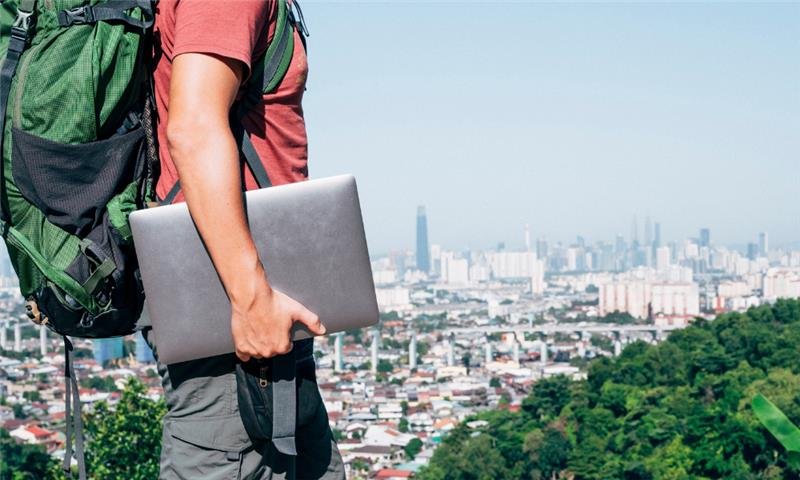






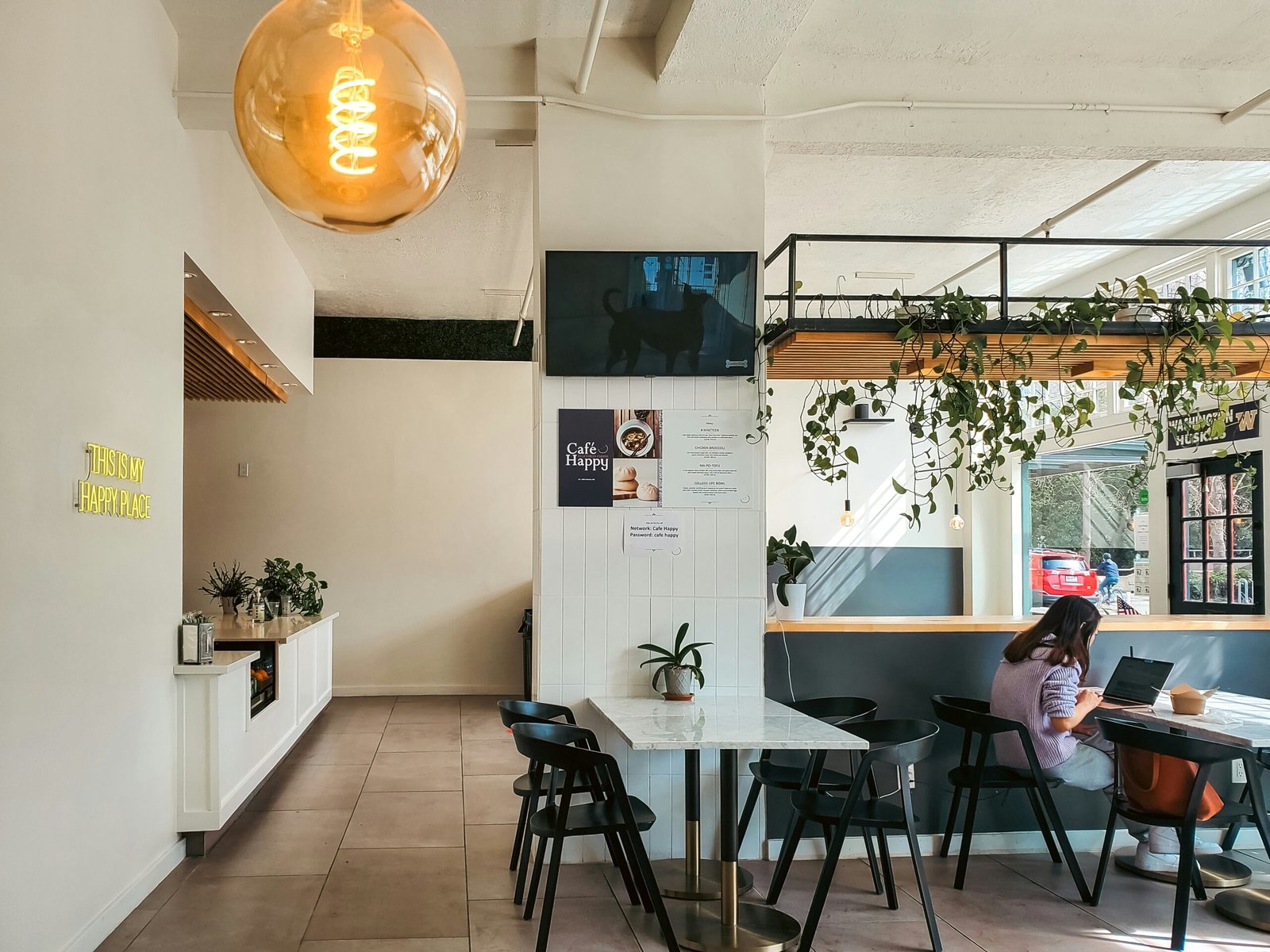
Picture this. You walk into your favorite local coffee shop, laptop tucked under your arm, ready to settle in for a productive afternoon. The barista gives you a look. Not a welcoming one. There’s a sign on the wall you hadn’t noticed before. Something about time limits, or laptops not being welcome during peak hours, or maybe just a flat-out ban on remote work altogether.
Sounds absurd, right? Yet this is becoming a reality in two of the world’s most popular digital nomad hotspots. Lisbon and Mexico City, once havens for remote workers seeking affordable living and strong Wi-Fi, are now pushing back. Hard.
The Rising Tension Between Locals and Laptop Warriors

Let’s be real. The digital nomad boom has completely transformed certain neighborhoods. In Lisbon’s Alfama district and Mexico City’s Roma Norte, you’d be hard pressed to hear Portuguese or Spanish in some cafes anymore. English dominates the conversation. Laptops cover every table. What used to be community gathering spots have morphed into makeshift coworking spaces.
The phrase “Gringo Go Home” has become a visible symbol of local frustration with gentrification in Mexico City. It’s not just graffiti. It’s a message that remote workers are changing the fabric of neighborhoods faster than locals can adapt.
The resentment isn’t about xenophobia. It’s about economics and culture. When a freelancer from San Francisco can outbid a local teacher for an apartment, something breaks in the community.
Why Cafes Are Saying Enough Is Enough

Cafe owners face an impossible situation. A digital nomad nurses a single coffee for four hours, occupying valuable real estate during lunch rush. Meanwhile, locals who’d actually order multiple items get turned away because there’s no seating.
Do the math. One nomad spends maybe five dollars over half a day, versus four customers each buying lunch and drinks. It’s not sustainable for small businesses trying to survive.
Some establishments in both cities have implemented time limits. Others charge a workspace fee on top of your order. A few have simply banned laptops altogether during certain hours. The message is clear: we’re a cafe, not your office.
The Price Inflation Nobody Talks About

Digital nomad presence and incomes have driven up the price of most everything, and coffee, beer, food, and accommodation are now at or near Western prices in Mexico City. What was once an affordable city for locals has become expensive.
The same story plays out in Lisbon. Rent in popular neighborhoods has skyrocketed. Coffee that cost two euros now costs five. Local bakeries get replaced by trendy brunch spots with oat milk lattes and avocado toast.
Honestly, it’s hard to blame residents for feeling invaded. Their cities are being reshaped by an influx of people who earn foreign salaries while enjoying local prices. Except that local prices don’t stay local for long.
When Cultural Spaces Become Commodities

Here’s the thing most digital nomads miss. Cafés in Mexico City often serve as gathering spots for friends, and laughter and chatter take the place of laptops that dominate coffee shop culture in the United States. These aren’t just businesses. They’re cultural institutions.
Imagine your favorite neighborhood bar suddenly filled with silent people on video calls, taking up every booth for hours. The regulars who used to gather for conversation can’t find a seat. The atmosphere completely changes. That’s what’s happening in these cities.
Lisbon’s traditional pastelarias, where locals would meet for bica and pastéis de nata, have been discovered by the remote work crowd. What was once a quick stop for locals has become a work destination for foreigners. The character shifts entirely.
The Gentrification Nobody Wanted

No gentrification in Mexico, please reads one comment from a frustrated observer. Too late. It’s already happening. The neighborhoods once considered authentic and affordable are now tourist attractions.
Roma and Condesa in Mexico City were artistic, bohemian areas where young Mexicans could afford to live. Now they’re dominated by expats and remote workers. Local artists get priced out. Family-owned shops close, replaced by businesses catering to foreign tastes.
Lisbon’s story mirrors this almost exactly. Neighborhoods like Príncipe Real and Cais do Sodré have transformed from working-class areas into hipster destinations. Longtime residents watch their communities disappear, one Airbnb at a time.
What Digital Nomads Get Wrong About Respect

Many remote workers think ordering a coffee and sitting quietly is respectful enough. It’s not. The impact goes deeper. When you treat a city as a temporary backdrop for your Instagram feed and remote work setup, you’re not really engaging with the place.
Learn some Spanish and respect their culture one commenter pleads. The minimum effort of learning the local language or understanding customs seems too much for many nomads who parachute in for a few months.
Think about it from the other side. Your hometown is suddenly flooded with foreigners who don’t speak your language, drive up prices, occupy public spaces for hours, and then leave after a few months without contributing to the community. Would you welcome them?
The Backlash Is Just Beginning

Cafe bans are only the start. Both cities are considering broader regulations on short-term rentals and visa requirements. Local governments are waking up to the fact that the digital nomad economy benefits a few property owners while harming many residents.
Portugal has already tightened its visa regulations. Mexico is discussing similar measures. The golden age of borderless remote work might be ending, at least in these once-welcoming destinations. Cities that rolled out the red carpet are now reconsidering.
Other popular nomad destinations are watching closely. Bali, Chiang Mai, and Barcelona face similar tensions. The cafes in Lisbon and Mexico City could be the first domino in a much larger shift.
What This Means for the Future of Remote Work

The cafe bans signal something bigger. The digital nomad lifestyle, as currently practiced, isn’t sustainable. You can’t have thousands of high-earning foreigners descending on affordable cities without consequences. The math doesn’t work.
Remote workers will need to adapt. That might mean paying higher fees, accepting restrictions, or choosing less popular destinations. The days of treating the world as your office playground are numbered.
Maybe that’s not a bad thing. The digital nomad movement, at its best, was about cultural exchange and location independence. At its worst, it’s become another form of colonialism, extracting value from communities without giving back. These cafe bans are forcing a reckoning.
The question now is whether the remote work community will learn from this or simply move on to the next unsuspecting city. Lisbon and Mexico City have drawn a line. Other cities are watching to see if it holds.
What do you think? Are these cafe bans justified, or are cities overreacting to a temporary trend? The conversation is just getting started.
<p>The post “Digital Nomads” Are Being Banned from Cafes in Lisbon and Mexico City first appeared on Travelbinger.</p>