







planetnomad.news

Bhutan has launched a residence permit programme for digital nomads as part of the Gelephu Mindfulness City project

Bhutan has traditionally been one of the most inaccessible countries in the world for long-term stays. The requirement for tourists to pay a tax for each day they stay in the country made long-term residence unrealistic for most remote professionals. In January 2026, the situation changed. The post Bhutan has launched a residence permit programme…

Read More
Planet Nomad News

Nomad Stays Acquires RemoteCasa

Nomad Stays Acquires RemoteCasa, Creating the World’s Largest Specialist Digital Nomad Accommodation Network in Latin America Adding over 1,000 new verified properties across 16 cities in Mexico, Colombia, and Argentina, setting the stage for more options on the global category-defining platform. [Chambéry, France, January 28, 2026] — […] The post Nomad Stays Acquires RemoteCasa appeared first…

Read More
Planet Nomad News

Portugal suspends new Entry Exit System after weeks of chaos at Lisbon airport arrivals

Portugal’s government has suspended its relatively new Entry Exit System at Lisbon’s Humberto Delgado International Airport for three months in use. The government has acknowledged the chaos and constraints at the arrivals area at Lisbon airport and is taking contingency measures. ​ In addition to suspending the European Entry Exit System (EES), the Government plans to…

Read More

11 Digital Nomad Visas That Actually Lead to Citizenship

Most digital nomad visas are temporary by design, but a small group offer a structured pathway from an initial remote work permit to permanent residence and, eventually, citizenship. This guide covers the latter, explaining all relevant operational details for planning a long-term move on a digital nomad visa: application mechanics, income requirements, family inclusion rules,…

Read More

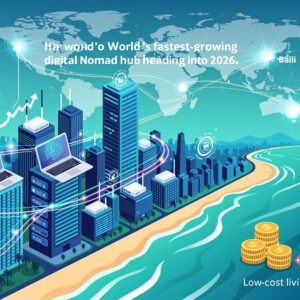
Digital Nomad Trends 2026: The Evolution of Work-From-Anywhere Culture

Governments are increasingly recognizing the economic value that digital nomads bring to local economies. Remote workers typically spend money on accommodation, food, local services, and experiences while contributing minimal strain to public services. This has led to a competitive environment where countries vie to attract nomads through favorable visa terms, tax incentives, and infrastructure investments….

Read More