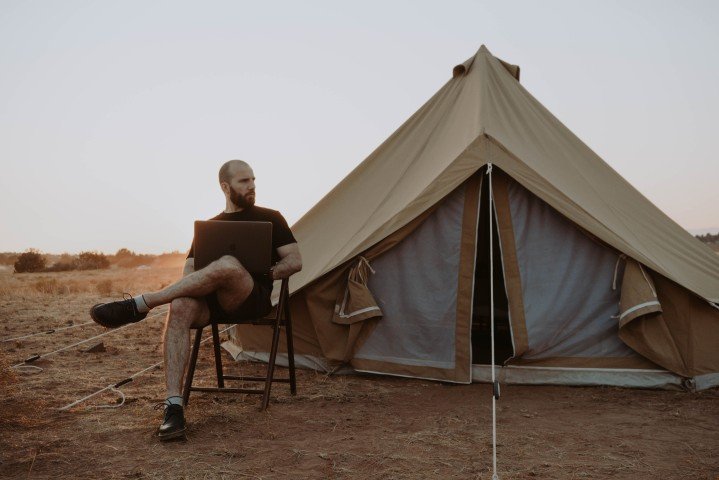









You scroll through Instagram, mesmerized by sun-soaked photos of remote workers sipping espresso in Barcelona or lounging poolside in Bali. The captions promise paradise for pennies: living like royalty on a thousand bucks a month, endless summer, no more nine-to-five prison. Honestly, it all sounds too good to be true.
Here’s the thing. Those dream destinations marketed as digital-nomad havens often hide brutal financial realities beneath their glossy surface. What starts as a budget-friendly adventure can morph into a money pit faster than you can say “visa extension.” The advertised monthly costs rarely include the hidden fees, lifestyle inflation, or tourist tax you’ll face once you actually plant roots.
Let’s pull back the curtain on five countries that promise affordability but often deliver budget shock instead. Be surprised by what the brochures won’t tell you.
Bali, Indonesia: Where Paradise Meets Price Inflation

Bali used to be the poster child for cheap tropical living. Remote workers flocked there for years, drawn by promises of beachside villas and dollar meals. Digital nomads typically spend USD 900–1,500/month depending on their location, housing, and lifestyle, which sounds reasonable on paper.
The reality in 2026 tells a different story. In Denpasar City, property rental prices increased by more than 15% in the last year. This is nothing compared to the massive jump in prices seen in popular neighborhoods for digital nomads and expats, like Uluwatu, Canggu, and Ubud. Those viral Canggu cafes? Rent in Canggu climbed 18 percent year-on-year and villa owners began demanding two-month deposits instead of one.
The lifestyle you’re actually chasing drives costs way up. Sure, you can eat street food for cheap, but most nomads end up frequenting those trendy brunch spots and coworking spaces that charge Western prices. Canggu’s popularity does mean that property prices have spiked, but you can still find some bargains. Most digital nomads in the area are in house-share situations, as villa’s veer onto the expensive side. Health insurance alone can run you between seventy and two hundred fifty dollars monthly. The island that once meant freedom now feels like a high-priced expat bubble.
Lisbon, Portugal: Europe’s “Affordable” Capital Isn’t Anymore

Portugal became the darling of European digital nomads over the past few years. Sunshine, safety, pastel de nata, and supposedly low costs. Except Lisbon stopped being a bargain ages ago.
Monthly expenses range from $2,221–$3,125, including rent, coworking, and transportation. Renting a one-bedroom in the city center will set you back around thirteen hundred euros, and that’s if you’re lucky. Rising rental costs top complaint lists, with prices increasing 15–25% annually since 2023 in popular neighborhoods. Digital nomads compete with locals and other expats for housing, pushing prices into territory that rivals major capitals.
The visa sounds enticing until you see the requirements. A monthly income of at least €3,480 (four times the Portuguese minimum wage) is needed for the Digital Nomad Visa. That’s roughly forty-two thousand dollars annually just to qualify. Add in the bureaucratic maze of getting your documents approved, and suddenly Spain or Greece start looking more appealing.
Tourists flood Lisbon from March through October, making everyday life a hassle. Cafes overflow, rents spike during peak season, and you’ll spend more time navigating crowds than enjoying cobblestone streets. The “affordable European dream” turned into an overpriced reality check faster than anyone expected.
Thailand: Visa Complications and the 180-Day Tax Trap
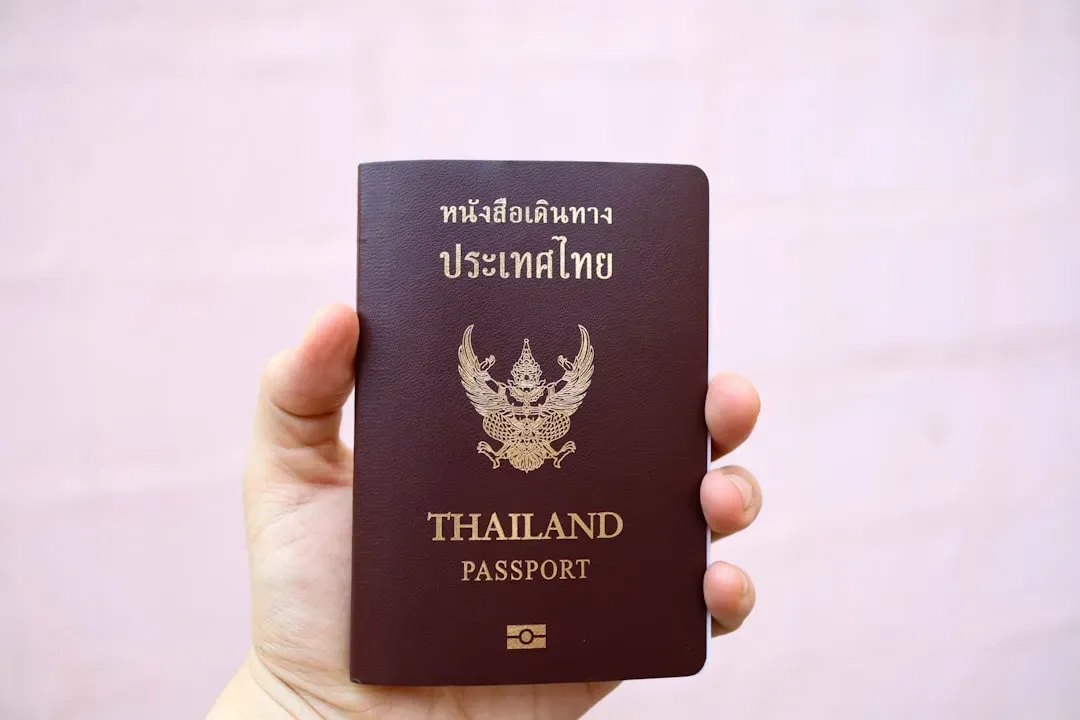
Thailand has attracted remote workers for decades with its incredible food, gorgeous beaches, and dirt-cheap living costs. Bangkok, Chiang Mai, and the islands became digital-nomad central long before it was trendy. The new Destination Thailand Visa launched in 2024 seemed like a dream: five years, multiple entries, minimal hassle.
Let’s be real about the fine print. Stay duration: Up to 180 days per entry, plus one 180-day extension (360 days total possible per entry) Cost: 10,000 THB standard fee ($275-$1,150 USD depending on embassy) Financial requirement: 500,000 THB (~$14,500 USD) in savings. That fourteen-thousand-dollar bank balance requirement alone eliminates many aspiring nomads.
Here’s where it gets tricky. In Thailand, you become a tax resident if you spend 180 days or more in the country during the calendar year. So, if you use the full amount of 180 days you get on your Thai DTV, you’ll qualify as a tax resident of Thailand. Suddenly you’re dealing with tax filings, potential double taxation if you’re American, and navigating Thai revenue regulations. What seemed simple becomes a financial planning nightmare.
Food and accommodation prices in Bangkok and Chiang Mai crept upward too. Food and accommodation prices in Thailand’s most attractive cities for digital nomads such as Bangkok and Chiang Mai, have been on the rise in 2022, but are expected to remain flat in 2024. Because of the high inflation rate in 2022, the prices of some groceries like bread and milk have become equal to or even more expensive than the prices of the same goods in Europe or the USA. The paradise you imagined might cost more than staying home.
Mexico City: Gentrification Backlash and Rising Resentment
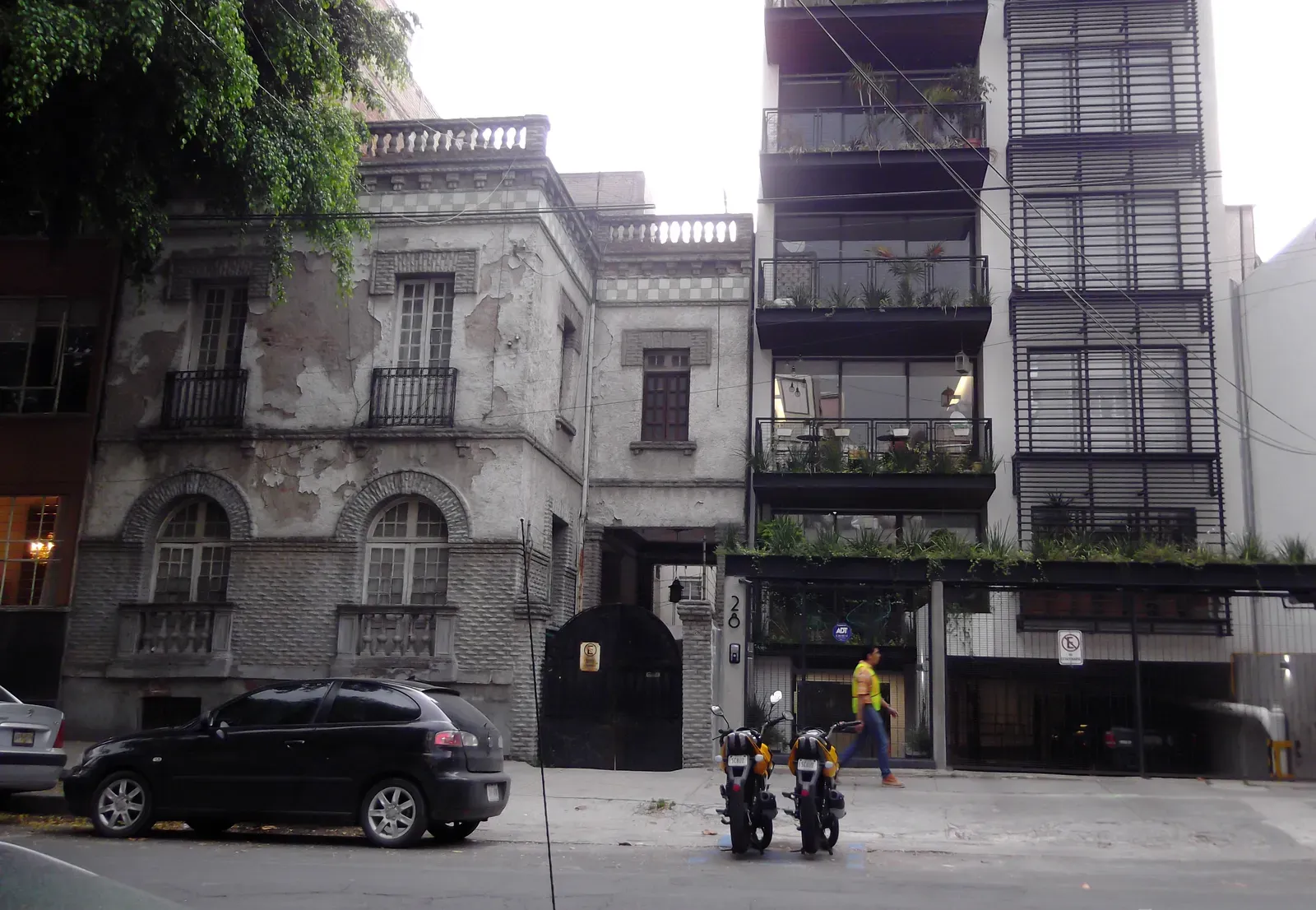
Mexico City exploded as a digital-nomad hub during the pandemic. Vibrant culture, incredible food, fast internet, reasonable prices, and easy access from the US made it irresistible. Neighborhoods like Roma and Condesa filled with laptop-toting foreigners working from cafes.
The backlash arrived hard and fast. The government has announced a series of measures aimed at regulating rents, making housing more affordable, and curbing the adverse effects of mass tourism and an influx of digital nomads. These efforts come after violent protests earlier in July, which highlighted the increasing strain on local residents due to escalating property prices. Graffiti reading “Gringo Go Home” appeared across formerly welcoming neighborhoods.
According to research from Georgetown University, in Mexico City’s trendy neighborhoods like Condesa and Roma Norte, rents have increased by over 60 percent in digital nomad hotspots, compared to a 30 percent citywide average over three years. Landlords discovered they could charge foreigners triple what locals pay, destroying any semblance of affordability. Your comfortable monthly budget of fifteen hundred dollars? Digital nomads typically spend $1,500-2,000 monthly for a comfortable lifestyle including rent ($600-1,200), food ($400-600), coworking ($100-200), transportation ($30-100), and entertainment ($100-200), but competition for decent housing drives those numbers higher.
The social tension makes living there uncomfortable beyond just finances. Local residents understandably resent being priced out of their own neighborhoods. What felt like cultural immersion starts feeling like unwitting participation in displacement.
Vietnam: The “Cheap Asia” Myth Collapses in Digital Nomad Hubs
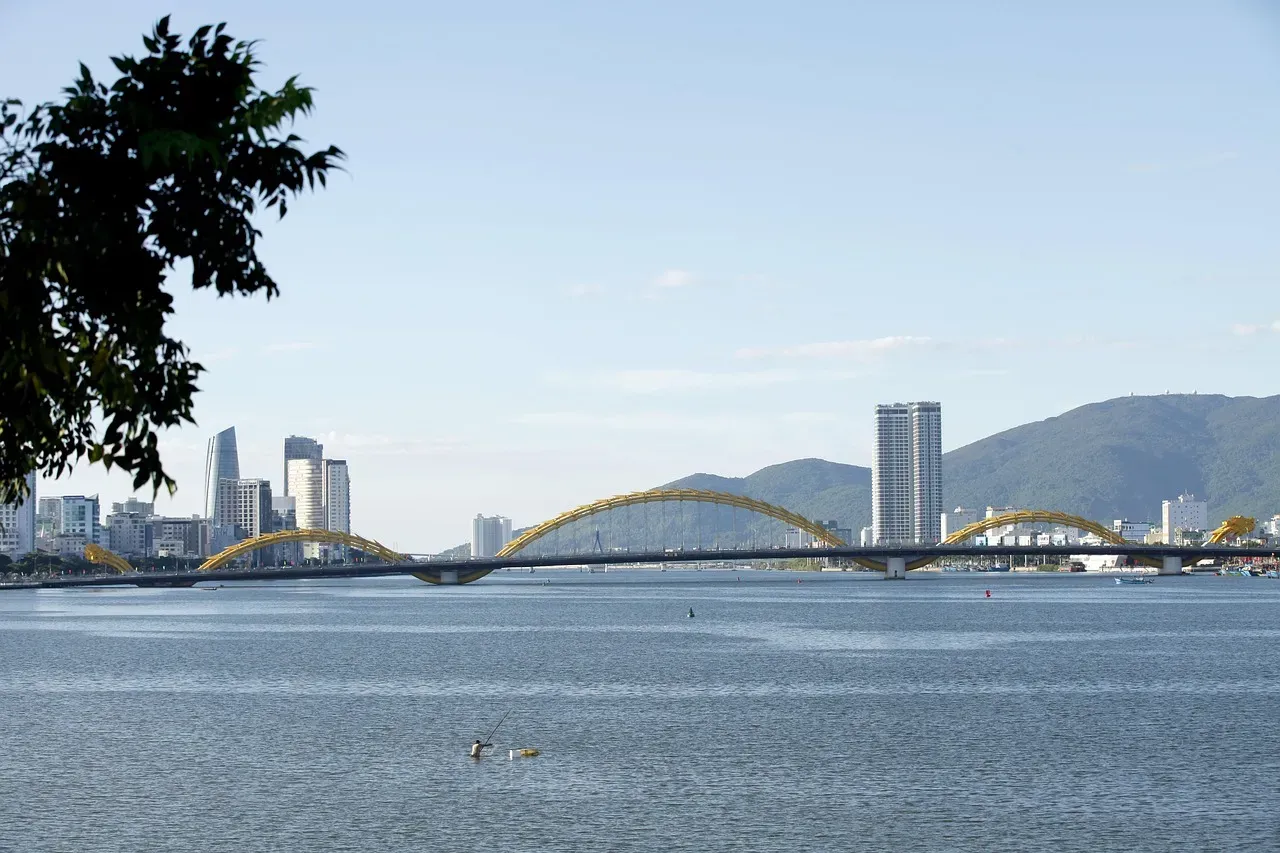
Vietnam has been marketed as Southeast Asia’s budget-friendly alternative to Thailand. Da Nang and Ho Chi Minh City especially attracted remote workers seeking coastal living or urban energy without Bangkok prices. The pitch sounds perfect: French colonial architecture, amazing coffee culture, beaches, and monthly costs under a grand.
Reality check incoming. A recent global survey of digital nomad destinations found that 55% of nomads reported higher-than-expected living costs in Bali and Lisbon, mainly due to rising rent prices, inflated café culture, and extra tax implications for long stays. Vietnam falls into similar patterns. Da Nang’s rents climbed as nomad demand increased, and the expat areas charge tourist prices for everything from coffee to accommodation.
The infrastructure issues compound costs. Power outages happen. Internet reliability varies wildly outside major coworking spaces. You’ll spend money on backup solutions – portable WiFi, generator-equipped accommodations, multiple SIM cards – that weren’t in your original budget. Visa regulations change frequently, sometimes requiring expensive border runs or agent fees to stay legal.
Hidden costs bleed you slowly. Banking fees for foreign transactions. Higher prices in neighborhoods where foreigners cluster. The “local” experience costs extra because you don’t speak Vietnamese and can’t navigate the actual local markets. Most experienced travelers add 15–25% on top of their planned monthly budget to account for these gradual drains that nobody mentions in the travel vlogs.
The Real Cost Nobody Talks About

Here’s what unites all these destinations: the advertised budget assumes you’ll live like a local on a shoestring, cooking every meal and avoiding the very amenities that made you want to go there. The moment you want reliable internet, air conditioning, Western food occasionally, coworking spaces, or simply housing that isn’t damp and crumbling, your costs explode.
Lifestyle creep hits hard when you’re surrounded by other nomads posting their perfect mornings at beach clubs. The budget you planned evaporates when facing actual decisions between isolation and community, between authentic local living and functional work environment. Nobody warns you about the emotional tax of constantly calculating expenses, negotiating rent in foreign languages, or the exhaustion of monthly visa calculations.
These places aren’t scams. They’re just not what the marketing promised. The cheapest options exist if you’re willing to sacrifice comfort, community, and often your sanity. Most people aren’t. They end up spending nearly what they would’ve at home, just with more hassle and occasional resentment from locals tired of watching their neighborhoods transform.
What do you think about the digital nomad dream? Does the adventure justify the hidden costs, or should we all be more honest about what “cheap” really means? Tell us in the comments.
<p>The post The Digital Nomad Trap: 5 Countries That Sound Cheap But Will Break Your Bank first appeared on Travelbinger.</p>