









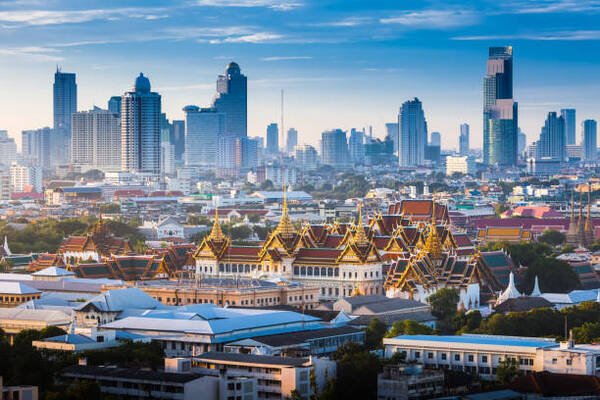

Thailand is currently reassessing its Sixty-Day Visa-Free policy due to growing concerns from local communities and tourism operators about its potential misuse. While the scheme was initially introduced to boost tourism, it has raised issues such as illegal activities, rising property prices, and pressure on local resources. The government is now considering shortening the visa-free stay to address these challenges while ensuring that the country remains an attractive destination for tourists. This review aims to strike a balance between supporting tourism growth and safeguarding the interests of local residents and communities.
Thailand is currently revisiting its 60-day visa-free entry policy due to growing concerns from local communities and tourism stakeholders about potential misuse and security risks. The government is carefully evaluating whether the existing duration is still suitable, with the aim of finding a balance between fostering tourism growth and ensuring public safety. An official decision on potential revisions is expected soon.
The visa-free program, which allows visitors from 93 countries to stay in Thailand without a visa for up to 60 days, was introduced in mid-2024 as part of a broader initiative to stimulate the country’s tourism industry. However, some local operators in popular tourist destinations, such as Phuket, have voiced concerns that the policy is being exploited by certain foreigners for illegal activities or to take advantage of local residents. Additionally, there are criticisms about the low threshold for qualifying for long-stay visas, which requires a real estate investment of just 3 million baht. Critics argue that this amount is too modest and could lead to inflated property prices, further escalating the housing crisis for locals.
While the program was initially seen as a boon for the tourism sector, with most tourists generally staying for around 15 to 30 days, the government is now considering whether the 60-day duration is unnecessarily long. There are concerns that the extended stay period may attract individuals with malicious intent who could use Thailand as a base for illegal activities. The government is keen to ensure that the visa policy strikes a delicate balance between boosting tourism and maintaining security.
Amid these concerns, the Ministry of Tourism and Sports has noted that some operators had proposed shortening the visa-free stay period. The Ministry believes that such a change would not negatively affect the tourism industry, as the majority of visitors typically do not stay for the full 60 days. The review aims to address the growing pressures on local communities, which are increasingly feeling the strain of overcrowding and rising property prices driven by foreign investment.
The government’s review also includes evaluating the impact of tourism on local security. There have been worries that the extended visa-free stay period could encourage the entry of individuals involved in transnational crime or other unlawful activities. As the government deliberates on potential changes, it has emphasized the need to introduce safeguards to prevent any misuse of the visa-free entry scheme.
The current caretaker government, led by the Bhumjaithai Party, has the authority to implement changes to the policy while the country awaits the formation of a new government following the February 8 elections. This gives the current administration the responsibility to address the immediate concerns raised by the public and local operators regarding the existing visa-free scheme.
Authorities have stated that the review is an essential step to ensure sustainable tourism growth while addressing community concerns, particularly related to housing affordability, security, and the overall well-being of residents. It is believed that striking the right balance between encouraging international visitors and maintaining the quality of life for locals is crucial for the long-term health of both the tourism industry and the communities that host tourists.
While there is strong support for maintaining a welcoming environment for tourists, it is clear that adjustments may be necessary to mitigate the unintended consequences that have arisen with the current visa-free policy. Local communities, particularly those in high-demand tourist areas like Phuket, have called for measures that will help preserve the local lifestyle and ensure that the influx of tourists does not place undue pressure on housing markets or public services.
Ultimately, the government’s decision will aim to address these concerns while ensuring that Thailand remains an attractive destination for global travelers. With international tourism continuing to grow, the government’s review of the visa-free policy is a critical step toward managing the influx of visitors in a way that benefits both the economy and local residents. The decision on whether to shorten the visa-free stay period will be a significant factor in shaping Thailand’s future tourism policies and its broader approach to sustainable growth.
The post Thailand Reconsiders its Sixty-Day Visa-Free Policy Amid Rising Concerns Over Misuse and Security Risks, With Potential Changes on the Horizon appeared first on Travel And Tour World.