









For decades, the global remote-work crowd flocked to well-worn destinations — Bali’s rice terraces, Lisbon’s tiled alleyways, the cafés of Chiang Mai. But a mid-sized Vietnamese coastal city, once known primarily as a layover stop between Hanoi and Ho Chi Minh City, is now rewriting the playbook for where the world’s location-independent professionals choose to live and work. Da Nang, a city of roughly 1.2 million people hugging the central Vietnamese coastline, has emerged as the fastest-growing digital nomad hub on the planet heading into 2026, according to new data and reporting from Business Insider.
The shift has been building for years, but the acceleration is now unmistakable. What was once a trickle of adventurous freelancers and startup founders has turned into a steady migration of software engineers, content creators, consultants, and entrepreneurs who are drawn by a potent combination of ultra-low living costs, world-class internet infrastructure, and a quality of life that rivals destinations costing three or four times as much. Da Nang is no longer an insider secret — it is becoming the defining case study for how second-tier Asian cities can leapfrog established Western nomad capitals.
The Numbers Behind the Boom
According to Business Insider, Da Nang has seen a surge in interest from the global remote-work community that outpaces virtually every other city in Asia. The publication reported that the city is now considered the fastest-growing digital nomad hub, with metrics spanning coworking space openings, short-term rental demand, and community growth all pointing sharply upward. The data aligns with broader trends tracked by platforms like Nomad List, where Da Nang has climbed steadily in rankings over the past two years, frequently appearing in the top five destinations worldwide for remote workers.
The economics are staggering by Western standards. A comfortable one-bedroom apartment in a modern high-rise near the beach can be rented for between $300 and $500 per month. A full meal at a local restaurant rarely exceeds $3. High-speed fiber internet — often clocking in at 100 Mbps or more — is available for under $15 monthly. For a digital nomad earning in dollars or euros, Da Nang offers a lifestyle that would cost $4,000 to $6,000 a month in cities like Austin, Barcelona, or Sydney, delivered at a fraction of the price. This cost arbitrage has always been Vietnam’s calling card, but Da Nang packages it with amenities and infrastructure that Ho Chi Minh City and Hanoi, with their traffic congestion and urban density, struggle to match.
Infrastructure That Punches Above Its Weight
What separates Da Nang from other budget-friendly destinations is the deliberate investment the city and national government have made in infrastructure. The Da Nang International Airport has expanded its route network significantly, with direct flights now connecting the city to Seoul, Tokyo, Singapore, Kuala Lumpur, Bangkok, and a growing number of Chinese cities. The Vietnamese government has also invested heavily in the city’s roads, bridges, and public spaces, transforming it from a sleepy coastal town into one of Southeast Asia’s most modern urban centers. The iconic Dragon Bridge, which literally breathes fire on weekend nights, has become a symbol of the city’s ambitions.
Critically, Vietnam’s internet infrastructure has matured rapidly. The country now boasts some of the fastest and most affordable broadband in Southeast Asia, a prerequisite for any city hoping to attract remote workers who depend on reliable video calls, cloud computing, and real-time collaboration tools. Coworking spaces have proliferated across Da Nang, ranging from polished, air-conditioned offices with standing desks and private phone booths to more casual beachside setups where freelancers can work with a view of the South China Sea. The coworking ecosystem, while still smaller than Bali’s or Bangkok’s, is growing at a pace that suggests it will rival those markets within two to three years.
A Lifestyle Equation That’s Hard to Beat
Beyond the spreadsheets and cost comparisons, Da Nang’s appeal is deeply experiential. The city sits on a long stretch of white-sand coastline that was once named one of the most attractive beaches on the planet by Forbes. The Marble Mountains, a cluster of limestone and marble hills dotted with caves and pagodas, rise just south of the city center. The ancient town of Hoi An, a UNESCO World Heritage Site, is a 30-minute drive away. The Hai Van Pass, made famous by the BBC’s “Top Gear,” offers some of the most dramatic coastal driving in Asia.
For digital nomads, this translates into a daily routine that might include a morning surf session, a few hours of focused work at a coworking space, a $2 bowl of bún chả for lunch, an afternoon hike, and evening drinks at a rooftop bar overlooking the Han River — all without breaking the bank. The city’s food scene, anchored by central Vietnamese cuisine that is arguably the country’s most refined regional tradition, is a constant draw. The combination of physical beauty, cultural depth, and affordability creates a quality-of-life proposition that few cities anywhere in the world can match at this price point.
Vietnam’s Visa Evolution and Remaining Hurdles
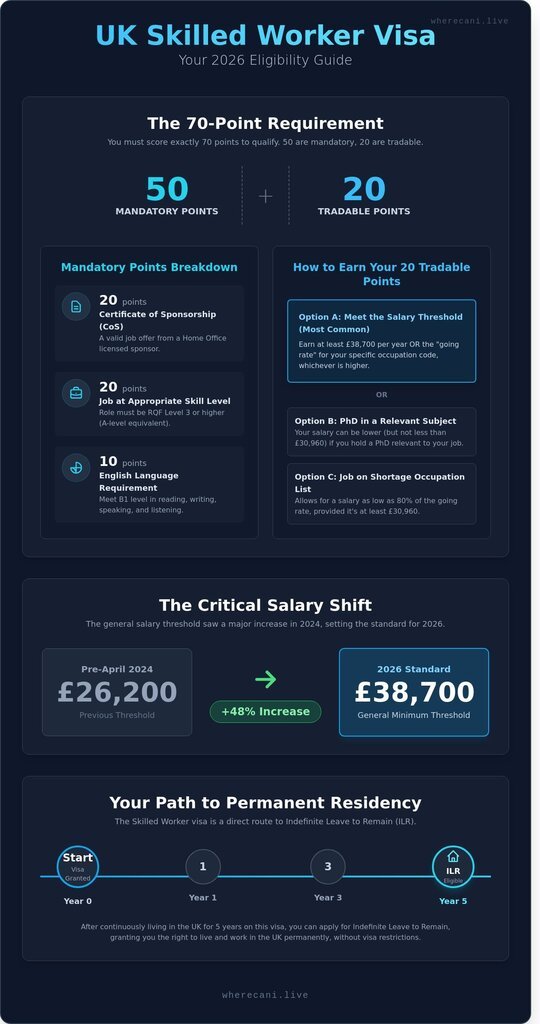
One of the most significant recent developments has been Vietnam’s liberalization of its visa policies. In August 2023, the Vietnamese government extended its e-visa program to citizens of all countries, increased the maximum stay on an e-visa from 30 to 90 days, and extended visa exemptions for citizens of several key markets. These changes, widely covered by travel and business media, removed one of the biggest historical barriers to longer-term stays in Vietnam. For digital nomads who previously had to navigate complex visa runs to neighboring countries every few weeks, the new policies represent a meaningful quality-of-life improvement.
However, Vietnam still lacks a dedicated digital nomad visa of the kind offered by countries like Portugal, Estonia, and more recently, Thailand and Indonesia. Remote workers in Da Nang typically operate in a legal gray area, working on tourist or business visas without explicit authorization to earn income from foreign clients while on Vietnamese soil. While enforcement has been virtually nonexistent, the absence of a formal framework creates uncertainty. Industry observers and nomad community leaders have called on the Vietnamese government to introduce a purpose-built visa category, arguing that it would formalize an already thriving economic contribution and attract even higher-spending professionals.
The Community Factor and the Bali Comparison
A digital nomad destination is only as strong as its community, and Da Nang’s has reached a critical mass that makes it self-sustaining. Facebook groups, Telegram channels, and local meetup organizations now connect thousands of remote workers in the city, facilitating everything from apartment recommendations to weekend hiking groups to professional networking events. The community skews younger and more technically skilled than some other nomad hubs, with a notable concentration of software developers, Web3 builders, and e-commerce entrepreneurs.
The inevitable comparison is to Bali, which has dominated the Asian digital nomad conversation for the better part of a decade. Da Nang offers several structural advantages over the Indonesian island. Traffic congestion, which has become a serious quality-of-life issue in Bali’s Canggu and Seminyak areas, is minimal in Da Nang. The city’s urban planning is more coherent, with wide boulevards, functional public infrastructure, and a cleanliness that surprises first-time visitors. Internet reliability, long a frustration in Bali, is consistently superior in Vietnam. And while Bali’s cost of living has crept upward as demand has surged, Da Nang remains firmly in the ultra-affordable category.
What the Rise of Da Nang Signals for the Future of Remote Work
Da Nang’s ascent is part of a broader pattern in which remote workers are increasingly bypassing traditional expat capitals in favor of cities that offer a more balanced combination of cost, connectivity, community, and livability. The old model — in which a handful of well-known destinations dominated the conversation — is giving way to a more distributed geography of work, where mid-sized cities with strong infrastructure and welcoming cultures can attract global talent almost overnight.
For Vietnam, the economic implications are significant. Digital nomads, while individually modest spenders compared to corporate expatriates, collectively inject meaningful revenue into local economies through rent, food, transportation, entertainment, and services. They also serve as informal ambassadors, generating social media content and word-of-mouth recommendations that drive tourism and investment. Several Da Nang-based entrepreneurs have begun hiring local Vietnamese staff, creating a bridge between the international remote-work economy and the domestic labor market.
The Road Ahead for Vietnam’s Coastal Gem
The question now is whether Da Nang can manage its growth without succumbing to the pitfalls that have plagued other nomad hotspots. Bali has grappled with overtourism, environmental degradation, and rising tensions between locals and foreign residents. Lisbon saw housing prices spike dramatically as remote workers competed with locals for limited housing stock. Chiang Mai, while still popular, has seen some of its original charm diluted by overdevelopment.
Da Nang has advantages that could help it navigate these risks. The city’s relatively large geographic footprint and ongoing construction boom mean that housing supply is expanding alongside demand, mitigating the kind of price shocks seen in smaller, more constrained markets. The local government has shown a willingness to invest in public infrastructure and urban planning that prioritizes livability. And Vietnamese culture, with its emphasis on hospitality and community, provides a social fabric that tends to integrate newcomers rather than marginalize them. If Da Nang can pair its current momentum with thoughtful policy — including, ideally, a dedicated digital nomad visa — it has the potential to become not just the fastest-growing hub, but the gold standard for what a modern remote-work city can be. As reported by Business Insider, the trajectory is clear: Da Nang is no longer emerging. It has arrived.